


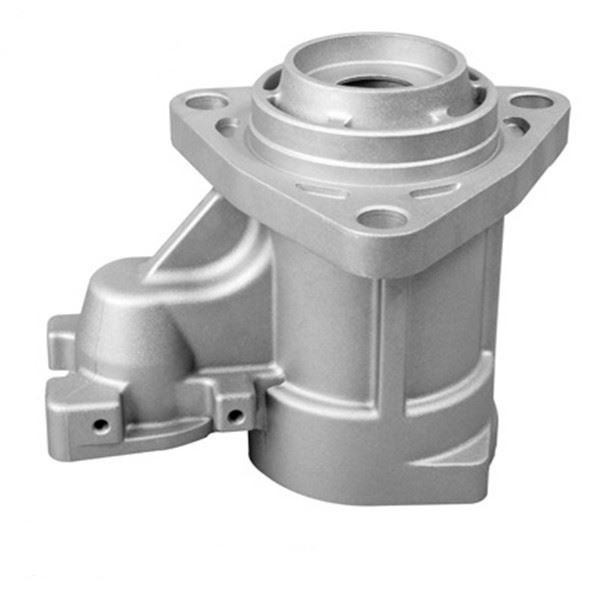

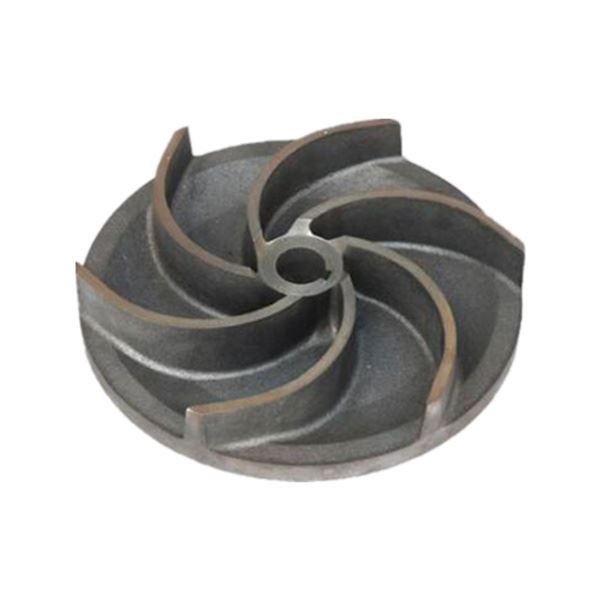
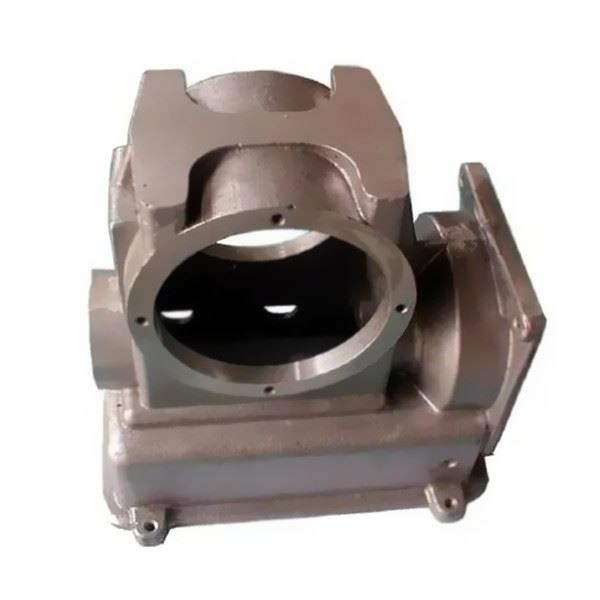

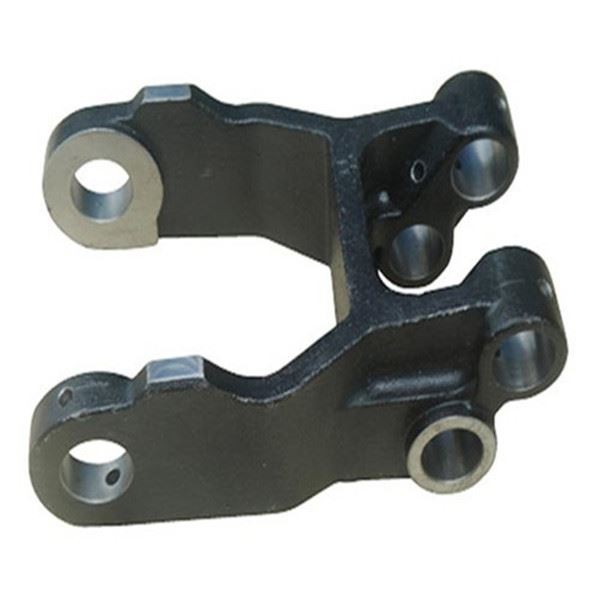
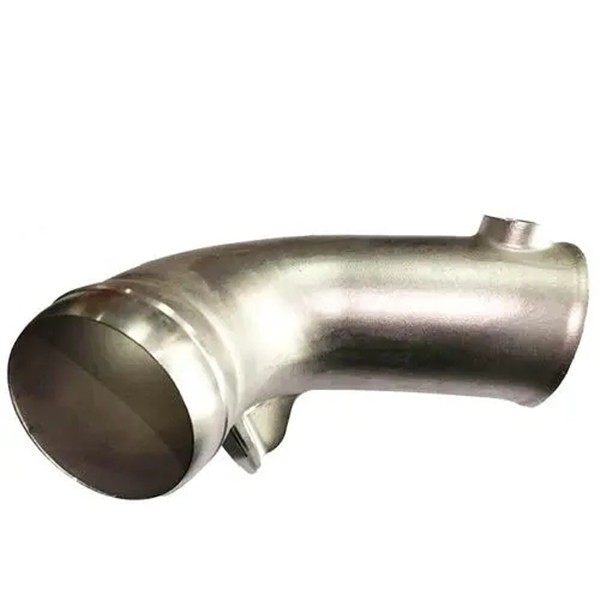
Alloy Steel Sand Casting
Alloy steel is a special purpose steel formed by adding a certain amount of alloying elements to Fe-C alloy steel. Alloy steels are usually classified according to their use, alloying element content, metallurgical quality, etc.
There are many types of alloy steel, usually divided into low alloy steel (content <5%), medium alloy steel (content 5% ~ 10%) and high alloy steel (content > 10%). According to quality, it is divided into high-quality alloy steel and special alloy steel; according to its characteristics and uses, it is divided into alloy structural steel, stainless steel, acid-resistant steel, wear-resistant steel, heat-resistant steel, alloy tool steel, rolling bearing steel, alloy spring steel and special properties Steel (such as soft magnetic steel, permanent magnetic steel and non-magnetic steel).
Product Description
1. Implementation standards: The company strictly implements ISO9001 & TS 16949 certification.
2. Material standards for Alloy steel sand casting products: ISO, GB, ASTM, SAE, ISO, EN, DIN, JIS, BS
3. Main process: sand casting, deburring, sand blasting, machining, heat treatment, leak testing, surface treatment, etc.
4. Available materials: alloy steel, gray iron, ductile iron, cast iron, cast steel, cast aluminum, cast copper, etc. can be customized according to customer requirements.

The Role Of Alloy Steel Sand Casting Elements
Alloy steel is a special purpose steel formed by adding a certain amount of alloying elements to Fe-C alloy steel. Alloy steels are usually classified according to their use, alloying element content, metallurgical quality, etc. Classification according to its use, metallurgical quality, etc. is similar to carbon steel. Only the classification by alloying element content is introduced here.
1. Classification of alloy steel
(1) According to the total amount of alloying elements, the total amount of alloy less than 5 is called low alloy steel, 5% ≤ total alloy < 10% is called medium alloy steel, and the total alloy ≥ 10% is called high alloy steel.
(2) According to the main alloying elements, such as: 3Cr3MoW2V steel is called chromium tungsten silicon steel.
2. The first digit of the grade of alloy steel indicates the carbon content wc.
If it is a single digit, it is expressed in thousandths of wc. If it is two digits, it is expressed in ten thousandths of wc. Check the data for the specific amount); when the average carbon content wc ≤ 0.08%, it is represented by "0", and when the average carbon content wc ≤ 0.03%, it is represented by "00". The number following an element indicates the average percentage content of that element. There is no figure indicating that the content of this element is < 1.5%.
Taking 8Cr2MnWMoVS as an example, 8 means wc≈0.8%, Cr2 means wc≈2%, and the contents of Mn, W, Mo, V, and S are all <1.5%.
3. The role of commonly used alloying elements
After adding alloying elements to the steel, it can form a certain amount of alloy carbides, refine the grains, improve the hardenability, and increase the tempering stability, so as to meet the requirements of increasing wear resistance and improving toughness. The main alloying elements added and their functions are as follows:
(1) The role of Mn Manganese strongly increases the hardenability of steel, greatly reduces the martensitic transformation temperature of steel, and increases the amount of retained austenite after quenching, which is beneficial to preventing quenching deformation, quenching cracking, and stabilizing dimensions of workpieces. But reducing the thermal conductivity of steel, there is a greater sensitivity to overheating, and aggravate the second type of temper brittleness. Mn should be added in combination with Mo, V, Cr, W, etc. It is limited in impact resistance and high strength and toughness die steel.
(2) The role of Si: Silicon increases the hardenability and tempering stability of steel, and significantly improves the resistance after deformation and impact fatigue resistance; it can also improve the oxidation resistance and corrosion resistance of steel. However, silicon promotes the precipitation of carbon in the steel in the form of graphite, which causes a serious decarburization tendency, and increases the superheat sensitivity and the second type of temper brittleness of the steel.
(3) The role of Cr Chromium significantly increases the hardenability of steel and effectively improves the tempering stability of steel. With the increase of carbon content in the steel, carbides such as (Fe Cr) 3C and (Fe Cr) 23C are formed in turn. These carbides have better stability, thereby reducing the overheating sensitivity of the steel and improving the resistance of the steel. Abrasiveness. Chromium has a passivation effect on the steel surface, making the steel resistant to oxidation. However, higher chromium content increases carbide inhomogeneity and the amount of retained austenite. Generally, in low alloy steel, the mass fraction of chromium is 0.5%~1.5%; in high toughness die steel, the mass fraction of chromium is 4%~5%; in high wear-resistant micro-deformation die steel, the mass fraction of chromium 6% to 12%.
(4) The role of Mo Molybdenum can improve the hardenability and high temperature creep strength, and the tempering stability and secondary hardening effect are also stronger than those of chromium; and can inhibit the second type of temper brittleness caused by Cr, Mn, and Si. But molybdenum increases decarburization tendency. The mass fraction of molybdenum in common die steels is 0.5% to 5%.
(5) The role of W One of the advantages of tungsten is to cause secondary hardening, which significantly improves the hot hardness of steel; it is better than molybdenum in improving wear resistance and reducing the overheating sensitivity of steel. However, tungsten can strongly reduce the thermal conductivity of steel, and excess tungsten makes the carbide of tungsten uneven, and the strength and toughness of steel decrease. In the cold work die steel with high bearing capacity, the mass fraction of tungsten is less than 18%, and Mo and V tend to replace W and reduce the W content.
(6) The role of V Vanadium mainly exists in steel in the form of V4C3. Because V4C3 is stable and insoluble, and its hardness is extremely high, vanadium can significantly improve the wear resistance and hot hardness of steel; at the same time, vanadium can also refine grains and reduce overheating sensitivity. However, too much vanadium will reduce the forgeability and grindability. Therefore, the mass fraction of vanadium is generally controlled at 0.2% to 2%.
(7) The role of Co The main role of cobalt is to improve the red hardness of high-speed steel and increase the secondary hardening effect. In cemented carbide materials, cobalt is an important binder.
(8) The role of Ni Nickel can not only improve the strength of steel, but also improve the toughness of steel, and at the same time improve the hardenability of steel; when the content is high, it can significantly improve the corrosion resistance of steel. However, nickel has a tendency to increase the second type of temper brittleness.
Each alloy steel grade is one of the best combinations of alloying element content and alloying elements. When analyzing the properties and characteristics of alloy steel, the content of alloy elements and the combination of alloy elements in alloy steel can be analyzed.
Post Casting Process
1. Heat treatment: annealing, carbonization, tempering, quenching, normalizing, surface tempering
2. Alloy steel sand casting processing equipment: CNC, wire cutting, lathe, milling machine, drilling machine, grinding machine, etc.;
3. Surface treatment: powder spraying, chrome plating, painting, sandblasting, nickel plating, galvanizing, blackening, polishing, bluing, etc.
Moulds and Inspection Fixtures
1. Mold service life: usually semi-permanent. (except for lost foam)
2. Mold delivery time: 10-25 days, (according to product structure and product size).
3. Tooling and mold maintenance: Zhongwei is responsible for precision parts.
Available Materials List:
Grey iron and ductile iron
Other materials: cast iron, cast steel, cast aluminum, cast copper, alloy steel, etc. can be customized according to customer requirements.
Quality Control
1. Quality control: the defective rate is less than 0.1%.
2. Samples and trial run will be 100% inspected during production and before shipment, sample inspection for mass production according to ISDO standards or customer requirements.
3. Testing equipment: flaw detection, spectrum analyzer, golden image analyzer, three-coordinate measuring machine, hardness testing equipment, tensile testing machine;
4. Provide after-sales service.
5. The quality can be traced back.

Alloy Steel Sand Casting Product Application
(1) 20Mn2: It is used to manufacture parts with small cross-section (diameter not greater than 50mm), which can replace 20Cr steel. It is often used in the manufacture of carburized pinions and small shafts; piston pins, ten-seed pin heads, diesel engine sleeves, valve ejectors, etc. with low requirements; it can also be used as quenched and tempered steel, such as in the manufacture of cold heading bolts.
(2) 30Mn2: It is used as an important fastener with small cross-section (after quenching and tempering treatment), and can usually be used to manufacture frame rails, gearbox gears, shafts, cold heading bolts and larger cross-sections of automobiles, tractors and general machinery. Quenched and tempered parts; in mining machinery manufacturing, it can be used to manufacture carburized parts that require high core strength, such as the rear axle and journal of cranes.
(3) 35Mn2: used as connecting rods, mandrels, crankshafts, half shafts, joysticks, fan accessories, cold heading various important bolts with a diameter of less than 15mm and other mechanical parts subject to high stress. It can replace 40Cr steel when manufacturing small section (diameter less than 20mm) parts.
(4) 40Mn2: It is used to manufacture parts that work under load conditions, such as shafts, half shafts, crankshafts, piston rods, worms, joysticks, levers, and connecting rods. Loaded bolts, screws, reinforcement rings, springs, etc., and other parts that need to be quenched and tempered. When manufacturing small section (diameter less than 40mm) parts, it is similar to 40Cr steel.
(5) 45Mn2: It is used to manufacture parts that work under higher stress and wear conditions. When the diameter is less than 60mm, the performance is equivalent to that of 40Cr steel. Used as universal joint shafts, axles, axles, connecting rod caps, friction discs, worms, gears, gear oils, trolley and steam locomotive axles, box axles, heavy duty frames, and in cold drawn condition for automobiles, tractors and general machinery Bolts and nuts, etc.
(6) 50Mn2: used to manufacture large parts that work under high stress and strong wear conditions, such as universal joint shafts, gears, crankshafts, connecting rods, various small shafts, etc.; the main shaft of heavy machinery that works in rolling bearings , shafts and large gears; transmission spline shafts on automobiles and mandrels bearing impact loads, etc., can also be used to manufacture leaf springs and flat coil springs.
(7) 20MnV: used in the manufacture of boilers, high-pressure vessels, large-scale high-pressure pipes, etc.; also used as steel for stamping, such as bicycle chains, piston pins, gears, etc.; also used in the manufacture of mining chains with a diameter not greater than 20mm.
(8) 30Mn2MoW: used to manufacture parts with large loads, such as connecting rod bolts, crankshafts, tie rods, gears, etc.; it can replace 30CrNi3 to manufacture important quenched and tempered parts with a section diameter of less than 80mm; when the surface quenching process is used, the section can be manufactured. larger parts.
(9) 27SiMn: It is used to manufacture hot stamping parts with high toughness and wear resistance; it can also be used to manufacture parts without heat treatment, or used after normalizing, such as track pins of tractors; it can also be used as castings.
(10) 35SiMn: used to manufacture parts with medium speed, medium load or high load without impact, such as transmission gears, mandrels, connecting rods, worms, electric axles, engine shafts, flywheels, etc.; it can also be used to manufacture steam turbines. Impeller, below 400℃ and important fasteners, etc.
(11) 42SiMn: Same as 35SiMn steel, but mainly used as case-hardened steel.
(12) 20SiMn2MoV, 25SiMn2MoV: used to manufacture parts with large cross-section, high load, complex stress state or long-term operation at low temperature, light lifting, elevator, perforator, etc. of petroleum machinery drilling hoisting system, the following others Connectors with larger cross-sections.
(13) 37SiMn2MoV: used to manufacture important parts with large cross-sections that bear heavy loads, such as shafts, gears, rotors, connecting rods, bolts and other parts of heavy machinery; used as high-pressure vessels, large bolts, etc. in petrochemical industry; can also be used as Large bolt fasteners with a working temperature of -15°C to 450°C.
(14) 40B: used to manufacture parts with larger section than 40 steel and high performance requirements, such as gears, steering rods, shafts, cams, and tractor crankshaft shanks; when manufacturing small-sized parts with low requirements, it can replace 40Cr steel.
(15) 45B, 50B: used to manufacture parts with large cross-section and high strength requirements, such as tractor crankshafts, connecting rods and other parts; can replace 50 steel, 50Mn steel or 50Mn2 steel to manufacture parts that require high hardenability Parts; its performance is comparable to 40Cr steel when making small size parts.
(16) 40MnB: Quenched and tempered parts of medium and small cross-section used in the manufacture of automobiles, tractors and other medium and small mechanical equipment, such as steering shafts, half shafts, worms, spline shafts and machine tool spindles, gears, etc., can replace 40Cr steel. When used as smaller size parts, the performance is similar to 40CrNi steel.
(17) 45MnB: used to replace 40Cr steel or 45Cr steel to manufacture medium and small cross-section quenched and tempered parts, such as gears of machine tools, main shafts of drilling machines, crankshafts of tractors, cams, crankshafts, spline shafts, gears, idle shafts and Axle sleeves etc.
(18) 20Mn2B: It is used to replace 20Cr steel to manufacture carburized parts with high core strength, wear-resistant surface, large size, simple shape and general load, such as various gears of machine tools, sleeve shafts, clutches, automobiles valve tappets, wedge-shaped lock pins, steering roller shafts, adjusting bolts, etc. When used as small section parts, the performance is similar to that of 20CrMnTi and 12Cr2Ni4 steels.
(19) 20MnMoB: used to replace 20CrMnTi, 12CrNi3 steel to manufacture medium-load carburized gears and other parts with high core strength requirements, such as automobiles, tractor gears and machine tool gears with large loads, also used to manufacture piston pins, etc. Components.
(20) 15MnVB, 20MnVB: It is used to manufacture medium and small size carburized parts with large modulus and high load, such as gears and shafts of heavy machine tools, rear axle gears and transmission gears of automobiles, etc.
(21) 40MnVB: used to replace 40Cr, 45Cr, 42CrMo steel to manufacture important quenched and tempered parts of automobiles, tractors, machine tools and mining machinery, such as shafts, gears, etc. It can be used as a small cross-section part to replace 40CrNi steel.
(22) 20MnTiB, 25MnTiBRE: used to manufacture gears and other carburized parts with medium load and small cross-section, such as transmission gears and shafts of tractors, bulldozers, and automobiles.
(23) 20SiMnVB: used to manufacture carburized parts with large cross-section, high load, and high strength and wear resistance, or carburized parts that work at high speed and withstand impact, such as tractor sliding gears, ring gears, Gear shafts, spindles, worms, dog clutches, etc. of machine tools.
(24) 15Cr, 15CrA: It is used to manufacture carburized parts with high working speed but small cross-section and high core toughness, such as casing, crank pin, piston pin, piston ring, coupling, and high working speed. High and low-stress pinions, pinion gears, shafts and bearing rings, rivets, screws and other parts.
(25) 20Cr: It is used to manufacture carburized parts with high core strength requirements and surface wear, large size, or complex shape and small load, such as gears, gear shafts, cams, piston pins, worms, It can also be used to manufacture quenched and tempered parts with high working speed and moderate impact load.
(26) 30Cr, 35Cr: used to manufacture important parts that work under conditions of wear and friction, or under large shock loads, such as shafts, small shafts, balance levers, rockers, connecting rods, bolts, nuts, gears And various rollers, etc.; can also be used as case-hardened steel.
(27) 40Cr: used to manufacture more important quenched and tempered parts, such as parts working under alternating loads; parts with medium speed and medium cross-section; after quenching and tempering and high-frequency surface quenching, it can be used for load and wear resistance High parts without great impact, such as gears, sleeves, shafts, crankshafts, connecting rods, connecting rod caps, connecting rod screws, nuts, etc.
(28) 45Cr: similar to 40Cr steel. It is used to manufacture more important quenched and tempered parts; after quenching and tempering and high-frequency surface quenching, it can be used as parts with high load and wear resistance, such as gears, sleeves, shafts, pins, etc.
(29) 50Cr: used to manufacture parts that bear heavy loads and friction, such as rolls for hot rolling, reducer shafts, gears, transmission shafts, thrust rings, mandrels for backup rolls, tractor clutch gears, diesel engine connecting rods, bolts , tappets, high-strength and wear-resistant gears of heavy mining machinery, oil film bearing sleeves, etc.; can also be used to manufacture springs.
(30) 38CrSi: used to manufacture parts with a diameter of 30mm to 40mm and high requirements for strength and wear resistance, such as small shafts, bolts, fork shafts, track pins, lifting hooks, feeders for automobiles, tractors and other machines. Valves, oil pump gears of internal combustion engines, etc.; can also be used as impact tools for cold work, such as riveting machine indenters, etc.
(31) 12CrMo: used to manufacture main steam pipes with steam parameters of boilers and steam turbines up to 510 °C, superheater tubes with tube wall temperature up to 540 °C and corresponding forgings; also suitable for the manufacture of elastic components.
(32) 15CrMo: the same as above, can be used to manufacture superheater tubes, steam conduits and corresponding forgings of high-pressure boilers with steam parameters up to 530 °C.
(33) 20CrMo: used in the manufacture of separators for steam turbines and boilers, etc.; high-grade carburized parts of machinery, such as gears, shafts, etc.; non-corrosive media of chemical equipment and those containing nitrogen and hydrogen mixtures with a temperature lower than 250 ℃ High pressure pipes and fasteners working in medium.
(34) 30CrMo, 30CrMoA: used to manufacture parts with large medium-sized mechanical sections, such as shafts, spindles, steering wheels with high loads, bolts, studs, gears, etc.; welding parts, plates and pipes of chemical equipment. Welded structures, high-pressure conduits whose temperature does not exceed 250°C in a nitrogen-hydrogen mixture; fasteners in steam turbines and boilers that work at temperatures lower than 450°C, flanges and nuts under pressure at temperatures lower than 500°C, and Catheters operating at 300MPa and temperatures below 400°C.
(35) 35CrMo: used to manufacture important structural parts that work under high loads. Especially the parts subject to shock, vibration, bending, and torsion loads, such as axles, engine transmission parts, large motor shafts, turbine generator main shafts, impellers, fastening parts, crankshafts, connecting rods, and perforators in the petroleum industry; Fasteners working in boilers at temperatures below 480°C; thick-walled seamless high-pressure conduits working in non-corrosive media of chemical equipment at temperatures between 450 and 500°C; large-section gears, shafts, rotors and diameters of steam turbine generators Support shafts less than 500mm, as well as heavy-duty drive shafts, can replace 40CrNi steel.
(36) 42CrMo: used to manufacture parts with higher strength or larger cross-section than 35CrMo, such as shafts, gears, connecting rods, transmission gears, large gears for locomotive traction, supercharger transmission gears; can also be used to manufacture springs , spring clips and other similar parts, 1 200m ~ 2 000m oil well drill pipe joints and fishing tools. It can replace quenched and tempered steel with higher nickel content.
(37) 12CrMoV, 12Cr1MoV: used to manufacture main gas pipes, steering vane rings, steam turbine diaphragms, outer rings of diaphragms with steam parameters up to 540 °C, and various superheater tubes and conduits with tube wall temperature not greater than 570 °C and corresponding parts. The oxidation resistance and thermal strength of 12Cr1MoV steel are better than 12CrMoV steel.
(38) 35CrMoV: It is used to manufacture important parts of heavy and medium machinery that are subject to high stress, such as steam turbine rotor impellers that work at 500 ° C ~ 520 ° C for a long time; rotors, cover discs, and shaft discs of advanced turbine blowers and compressors; Large generator shaft; part of a powerful engine.
(39) 25Cr2MoV: used to manufacture the integral rotor, sleeve, valve, main steam valve and regulating valve of steam turbine, the steam parameters can reach 535℃; nuts heated below 550℃, bolts heated below 530℃, and other long-term A connector that works at around 510 °C; it can also be used as a nitrided steel.
(40) 25Cr2Mo1VA: used to manufacture front cylinders, bolts, valve stems, etc. with steam turbine parameters up to 565°C.
(41) 20Cr3MoWVA: used in the manufacture of pipes and other parts for high-pressure hydrogenation equipment operating at temperatures below 520°C and 70MPa.
(42) 38CrMoA1: high-grade nitrided steel. It is used to manufacture nitrided parts with high wear resistance, high fatigue strength and high strength, and precise dimensions after treatment, or various carburized parts with low impact load and high wear resistance, such as imitation, cylinder liner, Seat covers, bottom covers, piston bolts, gears, rollers, inspection gauges, templates, high pressure valves, valve stems, extruders for rubber and plastics, threaded rods and worms for boring machines, spindles for precision grinders, etc.
(43) 20CrV: It is used to manufacture carburized parts that require high hardness and wear resistance on the surface, high strength in the core and small cross-section, such as gears, piston pins, small shafts, distribution shafts, and worm gear drives. Gears, ejector rods, valve push rods, and other important parts; the working temperature of steam turbines is 350 ℃ ~ 500 ℃ heat-resistant nuts and washers, and high-pressure pipelines working in non-corrosive media.
(44) 40CrV: used to manufacture important parts. Such as crankshafts, non-carburized gears, push rods, strongly stressed studs, screws, locomotive connecting rods, propellers, bearing brackets, beams; nitrided small shafts, various gears and pins; small cross-sections High-pressure boiler feed water pump shaft; bolts and connecting rods that work under high temperature and high pressure at 420°C and 30 MPa.
(45) 50CrV: used to manufacture important parts with large cross-sections that are subject to dynamic loads and high stress; coil springs and torsion bar springs with large cross-sections and strong stress, as well as valve springs and pistons that work at temperatures below 300 °C spring.
(46) 15CrMn: used in the manufacture of gears, worm gears, plastic molds, and steam turbine sealing bushings. Can be used interchangeably with 15CrMo steel.
(47) 20CrMn: It is used to manufacture parts with small cross-section, medium pressure and no large impact load, such as gears, shafts, worms, spindles, friction wheels of mechanical continuously variable transmissions, adjuster sleeves, etc.
(48) 40CrMn: used to manufacture shafts and connecting rods working under high speed and high bending load conditions; gear shafts, water pump rotors, clutches, small shafts, mandrels working under high speed, high load and no strong impact load conditions; high pressure Container cover bolts.
(49) 20CrMnSi: It is used to manufacture high-strength welded structural parts and parts with high working stress, and cold-stamped parts.
(50) 25CrMnSi: used in the manufacture of tie rods, important welded and stamped parts, and high-strength welded structural parts (steel plate or steel pipe structural parts).
(51) 30CrMnSi, 30CrMnSiA: used to manufacture welded structures and riveted structures that work under vibration loads, such as high-pressure blower blades, valve plates; high-speed and high-load grinding wheel shafts, gears, sprockets, shafts, clutch friction plates, bolts, Nuts, bushings, etc., as well as parts that require wear resistance at low temperature.
(52) 20CrMnMo: It is used to manufacture important carburized parts that require high surface hardness and good wear resistance, such as gears, cams, crankshafts, connecting rods, piston pins, ball studs, cones of oil drilling rigs, drill bits, etc.
(53) 40CrMnMo: It is used to manufacture parts with large cross-section and requiring high strength and high toughness, such as rear axle half shafts, shafts, eccentric shafts, gear shafts, gears, connecting rods and steam turbine parts of trucks. Can replace 40CrNiMoA steel.
(54) 20CrMnTi: It is used to manufacture high-speed, medium or heavy loads with a section below 30mm, and heavy carburized parts with impact and friction, such as gears, gear shafts, ring gears, cross rings, claw clutches, Worm, etc.
(55) 30CrMnTi: used to manufacture heavy-duty carburized parts with large cross-sections, as well as other gears, gear shafts, worms, etc. with high stress; carburized gears with high core strength requirements.
(56) 20CrNi: It is used to manufacture large and important carburized parts that work under higher loads, such as gears, keys, countershafts, piston pins, spline shafts, and quenched and tempered parts with high impact toughness.
(57) 40CrNi: It is used to manufacture important parts of stamping with large cross-section and forged in hot state, such as shafts, crankshafts, gears, connecting rods, screws, discs, etc.
(58) 45CrNi, 50CrNi: used to manufacture shafts with large cross-sections or other important quenched and tempered parts, such as internal combustion engine crankshafts, main shafts of automobiles and tractors, gearbox crankshafts, valves, bolts, screws, etc.
(59) 12CrNi2: It is used to manufacture medium and small carburized parts or cyanide parts that require high toughness of the core but not too high strength, such as transmission gears, bushings, piston pins, push rods, teeth Sleeves, cams, co-key shafts, etc.
(60) 12CrNi3: used to manufacture various carburized parts and cyanide parts that bear heavy loads and require high strength, high hardness and high toughness, such as transmission gears, shafts, rods, piston rings, adjusting screws, and pump rotors , Camshafts, universal joint crossheads, bushings, pulleys, valve trays, etc.
(61) 20CrNi3: used to manufacture large carburized parts working under heavy load conditions, such as gears, shafts, worms, cams, piston pins, bolts, studs, pins, etc.
(62) 30CrNi3: used to manufacture important parts with large cross-sections and large and important parts that are subject to high torsional loads and impact loads and require hardenability, such as crankshafts, connecting rods, gears, shafts, worms, etc.; hot forging and stamping parts, such as turbine impellers, rotor shafts, fasteners, etc.
(63) 37CrNi3: It is used to manufacture large-section parts that are subjected to high loads or shock loads, as well as parts that work under low temperature conditions and withstand shock loads; it can also be used as hot forging and stamping parts, such as steam turbine impellers, rotor shafts, Fasteners etc.
(64) 12Cr2Ni4: It is used to manufacture important carburized parts with large cross-section, high load, good toughness and working under alternating stress, such as various gears, worm gears, worms, shafts, directional joint forks, etc. under high load; It can be used in the quenched and low temperature tempered state to manufacture mechanical components with high strength and high toughness.
(65) 20Cr2Ni4: It is used to manufacture large-section carburized parts and quenched and tempered parts with higher performance requirements than 12Cr2Ni4 steel, gears, shaft gears, large-section bolts and other connectors that work under high load conditions, as well as large impact loads. The extra-large bearing and medium-sized bearing.
(66) 20CrNiMo: gears used to manufacture engines and transmission systems of medium and small cars and tractors; instead of 12CrNi3 steel to manufacture carburized parts and cyanide parts that require high core performance, such as teeth for oil drilling and metallurgical mining The claws and the cone body of the wheel drill.
(67) 40CrNiMoA: used to manufacture important quenched and tempered parts that require good toughness, high strength and large cross-section, such as shafts of heavy machinery bearing high loads, steam turbine shafts and blades with a diameter greater than 250mm, high-load transmission parts, fasteners Parts, crankshafts, gears, etc.; after nitriding, it is used to manufacture important parts with special performance requirements. It can be used as ultra-high strength steel after low temperature tempering or isothermal quenching.
(68) 45CrNiMoVA: used to manufacture parts that require high strength or large size and withstand high loads; shock absorbers that work under vibration load conditions, such as elastic shafts and torsion shafts of heavy vehicles and tractors; torsion force of heavy machinery and heavy loads Shafts, gearbox shafts, friction clutch shafts, etc. It can be used as ultra-high strength steel after quenching and low (medium) temperature tempering.
(69) 18Cr2Ni4WA: It is used to manufacture large-section carburized parts that require high strength, good toughness and low notch sensitivity, such as large gears, transmission shafts, crankshafts, splined shafts, piston pins, worm gears controlled by precision machine tools, etc. ;High-strength scheduling quenching and tempering parts that bear zero load and vibration, such as connecting rods, gears, crankshafts, reducers, etc. of heavy or medium-sized machinery, as well as heavy-duty bolts of internal combustion engines and diesel engines; Used as a crankshaft for high-power, high-speed engines.



Send Inquiry
