

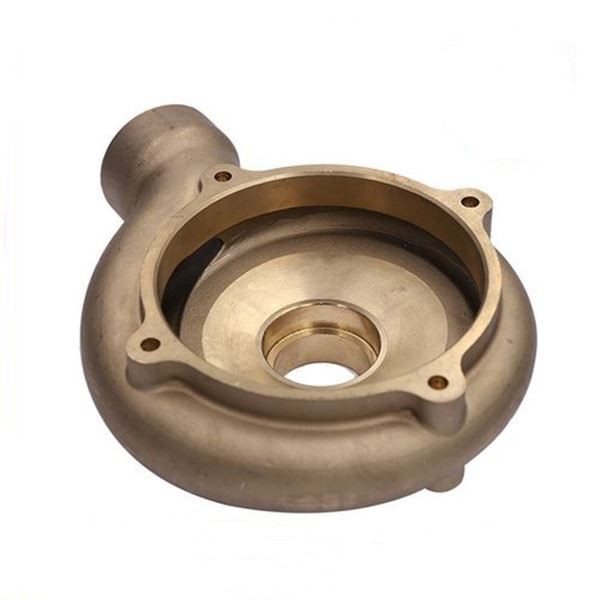


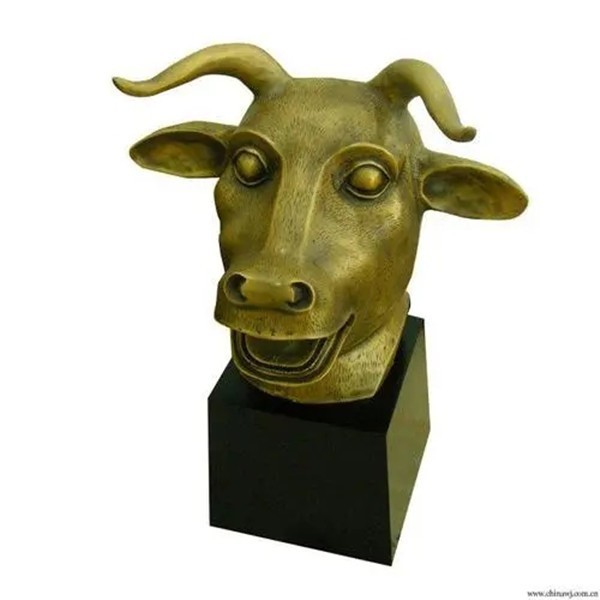


Sand Casting Copper Parts
Annual remaining processing capacity: 10,000,000 (pieces)
Casting process: sand casting and precision casting
Surface Treatment: Passivation
Material: according to customer requirements
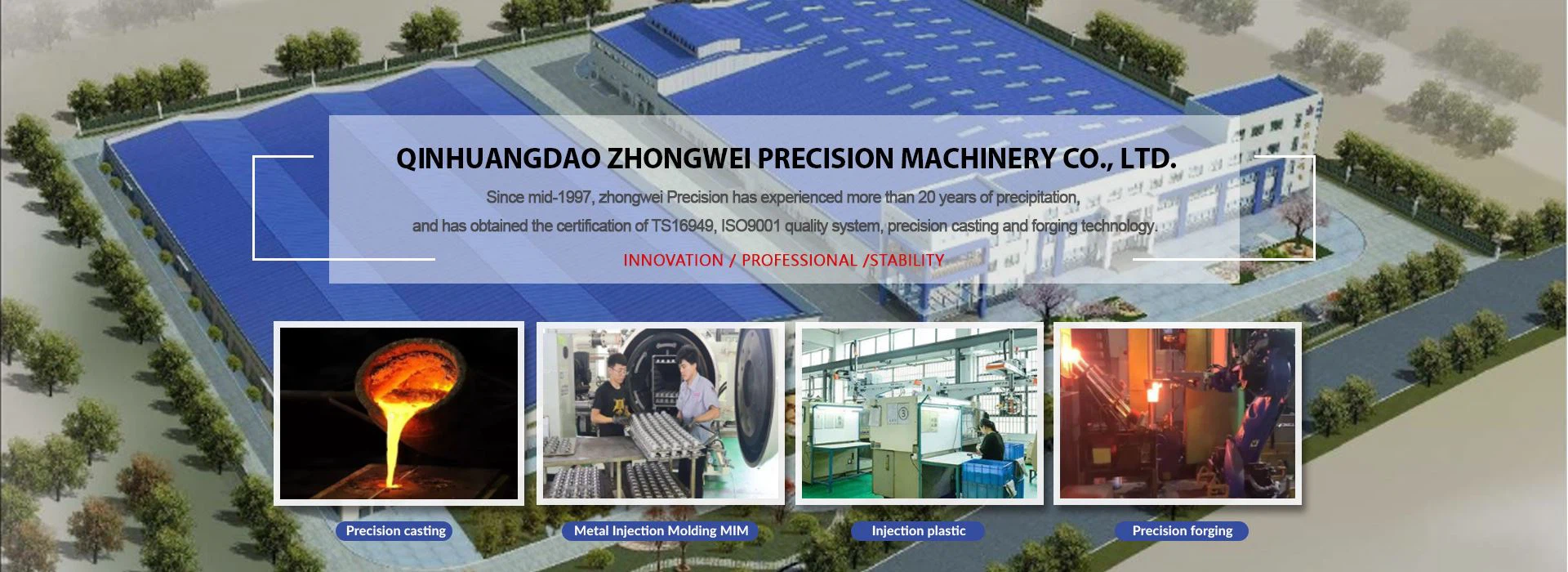
Qinhuangdao Zhongwei Precision Machinery Co., Ltd. is a professional precision casting aluminum and precision copper casting enterprise.
Product Description
● Annual remaining processing capacity: 10,000,000 (pieces)
● Casting process: sand casting and precision casting
● Surface Treatment: Passivation
● Material: according to customer requirements
● Special casting type: shell casting
● Proofing cycle: 4-7 days
● Annual maximum processing capacity: 100,000,000 (pieces)
● Production range: a few grams to several hundred kilograms
● Sand casting types: clay wet sand casting, lost wax casting, etc.
● Forming process: gravity casting, low pressure casting, mold casting, etc.
● Sand casting copper parts tolerance: 0.1-1mm
● Processing cycle: 4-30 days

Common production process
At present, there are many kinds of copper handicrafts on the market, and all kinds of materials are used. The most commonly used processes are as follows:
A, copper material
That is, pure copper. This material is suitable for forging and molding, such as teapots, copper bowls, hot pot pots, etc. It is also a good choice to use this material to make copper decorations for embossed murals. The rich color of copper products is unmatched by other materials, but there are very few stocks in the market, because copper has good thermal conductivity and relatively poor fluidity. The melting point is much higher than other copper alloys, and coupled with its large shrinkage rate, it is difficult to cast a perfect work. Most of the copper casting handicrafts on the market are processed by modern machine tools. What's more, they are cast with brass, and then electroplated with copper, which makes consumers mistakenly believe that it is made of copper.
B. Brass material
Brass is an alloy of Tong and Zinc, and the proportion of copper content is adjusted according to the demand. At present, most of the copper handicrafts on the market use this material. There are many grades of brass, 59, 62, 65, 70, 75, 80, etc., and the grade is roughly the percentage of copper in the material. In order to pursue the retro color and close to the effect of cultural relics, copper handicrafts on the current market are mostly artificially aged. The general methods are as follows: First, acrylic paint is sprayed and mixed with various colors. This method is the most common. The cost is also the cheapest. Second, the nitrate is heated after spraying, which is called "thermal coloring". After heating, waxing on the surface makes the product look shiny. The current domestic incense burner copperware uses this method. The surface coverings made are self-named "skin" and "slurry". However, the real "skin" and "slurry" are the natural attachments formed by copper oxidation caused by the material of the copper itself and the air contacting or touching. This is the most abundant, the most natural, and of course the best-looking. Such bronze ware has a sense of time record, a sense of precipitation, and a sense of charm, which is why its value gradually increases. Due to artificial coloring, it can cover up the defects formed by casting, such as sand holes, shrinkage cracks, etc. Third, copper color painting, this method is the most deadly, and it is also the most deceiving for copperware. Because the visual effects are very impactful and novel. The copper handicrafts with beautiful appearance and authentic materials are highly ornamental and collectible, and can even be passed down to households. As we all know, in order to maximize profits, merchants often accurately grasp the unprofessional psychology of consumers without caring about the quality of the product itself to carry out so-called successful marketing. Many manufacturers purely pursue visual effects and commercial benefits. After the spray primer is used, various paints are used to manually describe the product. Copper and paint itself are two materials that are not combined with each other. The paint peeling off is certain. If there is a slight accidental bump, the color will peel off. Of course, it is definitely better if the traditional Chinese cloisonne craftsmanship is used. If the enamel process is used, the brass material itself cannot withstand this temperature, because the temperature is usually 800 degrees when the enamel color is fired. What's more terrible is that when the copper is painted, the paint is sprayed, and the paint is basically nitro paint, and a large amount of benzene liquid is used as a solvent, and its environmental protection can be imagined. Therefore, artificially colored copper handicrafts do not have high requirements for copper materials, and basically use copper below 62 because the price is low.

C. Bronze material
There are many types of bronze, and copper and other metals can basically be mixed to form alloys, such as tin bronze, manganese bronze, beryllium bronze and so on. Of course, the characteristics of various copper alloys are also different, and they are widely used in industrial applications, that is, they are used by taking advantage of the characteristics of different copper alloys. The bronze materials used in copper handicrafts are generally tin bronze materials. The color of this material is dark, and the color is really beautiful after natural oxidation. The bronzes that some friends have raised do have a feeling of luster from the inside. However, the color of copper ware of this material is greatly affected by the storage environment, and the degree of natural oxidation and the amount of tin are the causes.
Production Process
The production of copper products cannot be completed in one go. For an enterprise that masters core technologies and has strict requirements on craftsmanship, every step is a crucial link.
In the precision production of Zhongwei, the birth of each high-quality casting product basically goes through the following processes:
1. Mold: According to the pattern and size, make the corresponding mud sample, and through careful trimming, a wax mold is opened to provide a wax model for the next step of mold firing. or sand type abrasives
2. Casting: cast by lost wax method and sand casting process, and cast in one piece, try not to use welding process, because flux seriously affects the material unity of copper parts.
3. Surface treatment: Seiko carving, and mainly plain surface, let it be naturally oxidized, no artificial pulping, artificial leather shell. In all the works of Zhongwei Precision, the copper content is more than 75%, and the copper products are made of pure copper. Such copper, in different natural environments, will form different oxides on the surface. Of course, the naturally formed pulp of perspiration is the best, because it is mixed with oil, which can make the pulp more natural and translucent.
Casting Process
1. Heat treatment: annealing, carbonization, tempering, quenching, normalizing, surface tempering
2. Sand casting auto parts processing equipment: CNC, WEDM, lathe, milling machine, drilling machine, grinder, etc.;
3. Surface treatment: powder spraying, chrome plating, painting, sandblasting, nickel plating, galvanizing, blackening, polishing, bluing, etc.
Moulds and Inspection Fixtures
1. Mold service life: usually semi-permanent. (except for lost foam)
2. Mold delivery time: 10-25 days, (according to product structure and product size).
3. Tooling and mold maintenance: Zhongwei is responsible for precision parts.
Available Materials List:
Grey iron and ductile iron
Other materials: cast iron, cast steel, cast aluminum, cast copper, alloy steel, etc. can be customized according to customer requirements.
Quality Control
1. Quality control: the defective rate is less than 0.1%.
2. Samples and trial run will be 100% inspected during production and before shipment, sample inspection for mass production according to ISDO standards or customer requirements.
3. Testing equipment: flaw detection, spectrum analyzer, golden image analyzer, three-coordinate measuring machine, hardness testing equipment, tensile testing machine;
4. Provide after-sales service.
5. The quality can be traced back.
Scope of Application
First of all, the precision casting copper parts have high strength, and the castings have good thermal conductivity and casting performance.
The application of Zhongwei Precision Sand casting copper parts in daily life is also reflected in various aspects:
1. In the aviation industry, power machinery and transportation machinery manufacturing, copper castings are used under the same load conditions, and the structural weight copper alloy castings are widely used.
2. It is used in casting thin-walled and complex structure castings.
3. Cast copper parts can be used in the chemical industry, heat exchange devices used in chemical production, and parts that require good thermal conductivity in power machinery, such as cylinder heads and pistons of internal combustion engines, and are also suitable for copper alloys. to manufacture.
4. It has a wide range of uses in the manufacture of civil utensils. Due to its low melting point, casting methods such as metal mold and pressure casting can be widely used to improve the inherent quality, dimensional accuracy, surface finish and production efficiency of castings.


Send Inquiry
