



UF Injection Molded Parts
UF is the abbreviation of urea-formaldehyde plastic, which is also commonly known as electric jade powder. UF material is made of urea as raw material, obtained by polycondensation reaction to obtain urea-formaldehyde resin, and then processed into compression molding powder (electric jade powder) by adding fillers, colorants, lubricants, plasticizers, etc.
UF is the abbreviation of urea-formaldehyde plastic, which is also commonly known as electric jade powder. UF material is made of urea as raw material, obtained by polycondensation reaction to obtain urea-formaldehyde resin, and then processed into compression molding powder (electric jade powder) by adding fillers, colorants, lubricants, plasticizers, etc., and then heated and pressed by molds to form products. . UF injection molded parts have high surface hardness, certain mechanical strength, not easy to deform, but relatively brittle; odorless, tasteless, strong tinting strength, bright colors; good heat resistance, not easy to burn; acid resistance, resistance to Alkali, high water absorption, good electrical insulation.
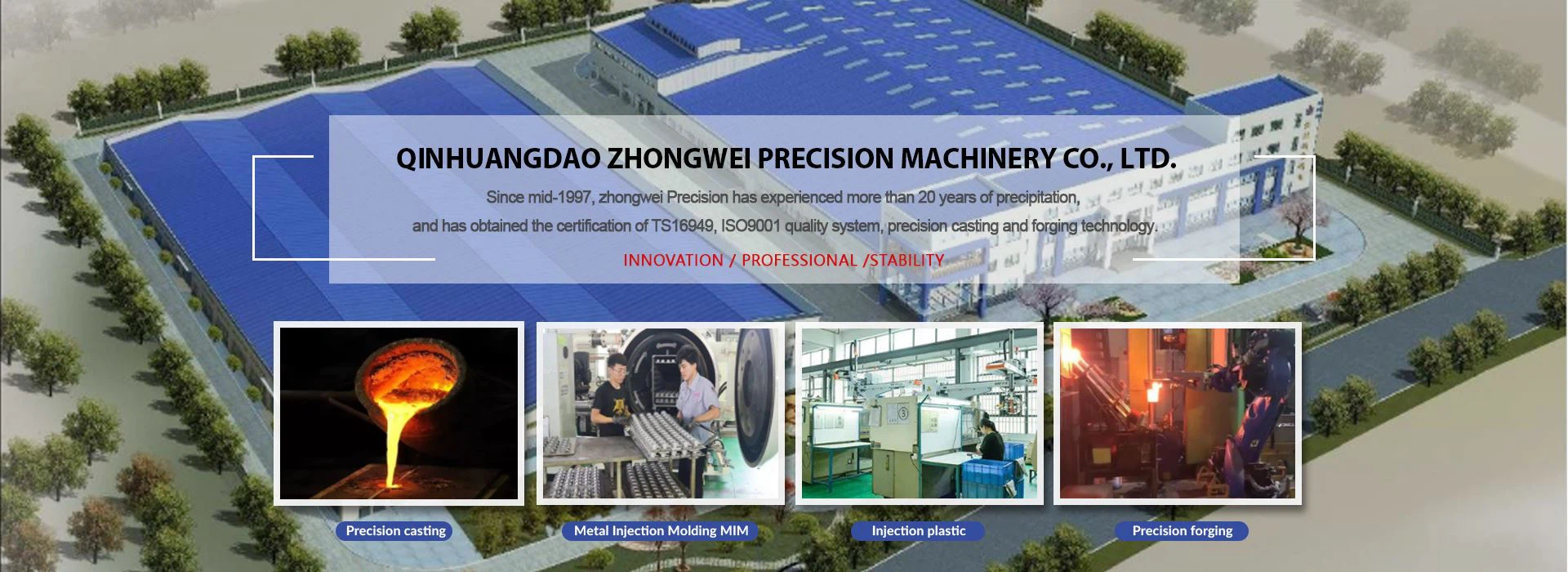
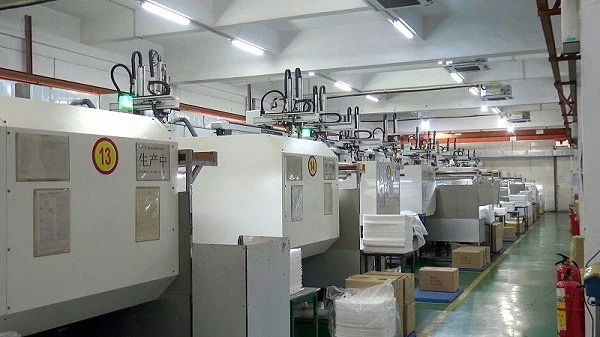
The main products of Zhongwei Precision Machinery Co., Ltd. are nylon products, plastic products, ABS series, rubber products, etc. Types of injection molding materials that can be processed: polyethylene (PE), polypropylene (PP), nylon (PA, PA6, PA66), polyoxymethylene (POM), ABS, polyurethane (TPU), polyphenylene sulfide (PPS), polystyrene Carbonate (PC), Polyetheretherketone (PEEK), etc.
Product Description
1. Implementation standards: the company strictly implements ISO9001, ISO14001, IATF16949, VDA6.3 certification, and products have passed ROHS, FDA EU certification, etc.
2. Product material standards: ISO, GB, ASTM, SAE, EN, DIN, BS, AMS, JIS, ASME, DMS, TOCT, GB
3. Main processes: plastic injection molding, metal insert injection molding, investment casting, die-casting aluminum,
4. Available materials for injection molding:
Processable nylon products, plastic products, ABS series; injection molding material types: polyethylene (PE), polypropylene (PP), nylon (PA, PA6, PA66), polyoxymethylene (POM), ABS, polyurethane (TPU), poly Phenyl sulfide (PPS), polycarbonate (PC), polyether ether ketone (PEEK) and 3D printing can be customized according to customer requirements.
Process Characteristics
That is, ultrafiltration is a membrane process between microfiltration (MF) and nanofiltration (NF). The pore size of the membrane is between 0.1 and 5 μm. In practical applications, the (10³~105) UF membrane is generally characterized by the molecular weight cut-off [MWCO (molecular weight cut-off)]. [MWCO generally refers to the relative molecular mass of the membrane when the rejection rate of a standard is 90% to 95%.
UF is a membrane process that utilizes the "sieving" action of the membrane for separation. Under the action of static pressure difference, the particles smaller than the membrane pores pass through the membrane, and the particles larger than the membrane pores are blocked on the surface of the membrane, so that the particles of different sizes are separated, and the filtration accuracy is higher than that of MF, so the membrane pores Smaller, the actual operating pressure is slightly higher than MF, generally 0.1~0.5MPa.
UF mainly separates macromolecular substances (proteins, nucleic acid polymers, starch, natural gum, enzymes, etc.), colloidal dispersions (clay, pigments, minerals, emulsion particles, microorganisms) and emulsions (grease, washing, etc.) from liquid substances. agent, oil-water emulsion). Metal ions, soluble solutes and macromolecules can also be separated from the aqueous solution by combining with suitable macromolecules to achieve the purpose of purification and concentration.
• Ultrafiltration process characteristics
① Belongs to the pressure-driven membrane process;
②The separation range is macromolecular substances and colloidal substances with a relative molecular mass of 1000~105 (power), and the corresponding particle diameter is 5nm~0.1μm;
③ The separation mechanism is generally considered to be the principle of mechanical screening;
④The morphology of UF membrane is asymmetric structure;
⑤The form of membrane module includes plate type, roll type, tubular type, capillary type and hollow fiber type;
⑥ The filtering method is generally cross-flow filtering;
⑦The thickness of the membrane skin is less than 1μm, and the operating pressure is low, so the influence of osmotic pressure may not be considered;
⑧It is easy to industrialize and has a wide range of applications.
• Fundamentals of Ultrafiltration
Under a certain pressure, when the solution containing large and small molecular solutes flows through the surface of the UF membrane, the solvent and small molecular substances (inorganic salts, etc.) permeate the membrane and are collected as permeate, while the macromolecular solutes (such as Organic colloids) are retained by the membrane and recovered as a concentrate.
UF membrane is generally an asymmetric membrane, which consists of a very thin (0.1~1μm) epidermal layer with a certain pore size and a thicker (about 125μm) porous layer with a sponge-like or finger-like structure. role, the latter plays a supporting role.
The solute retention in the UF process includes three ways: mechanical retention on the membrane surface (sieving), retention in the membrane pores (blocking), and adsorption on the membrane surface and in the membrane pores.
The functions of UF and MF are different. MF is mostly impurity removal, and the product is filtrate; while UF focuses on separation, and the product can be either permeate, retentate, or both.
Post Injection Molding Process
1. Processing equipment: CNC, WEDM, lathe, milling machine, drilling machine, grinder, etc.;
2. Surface treatment: For some products that require subsequent processing, we can provide surface treatment services to achieve the special purpose of customers. At present, we can provide degreasing, polishing, electroplating (gold, silver, nickel, tin, galvanized, etc.), anodizing, electrophoresis and other surface treatment services for precision parts.

Moulds and Inspection Fixtures
1. Mold service life: usually semi-permanent. (except for lost foam)
2. Mold delivery time: 10-25 days, (according to product structure and product size).
3. Tooling and mold maintenance: Zhongwei is responsible for precision parts.
Quality Control
1. Quality control: the defective rate is less than 0.1%.
2. Samples and trial run will be 100% inspected during production and before shipment, sample inspection for mass production according to ISDO standards or customer requirements
3. Testing equipment: automated visual inspection equipment can carry out 100% inspection of products, spectrum analyzer, golden elephant analyzer, three-coordinate measuring machine, hardness testing equipment, tensile testing machine.


Send Inquiry
