



PVC Injection Molded Parts
PVC was once the largest general-purpose plastic in the world, and PVC injection molded parts are widely used. It is widely used in building materials, industrial products, daily necessities, floor leather, floor tiles, artificial leather, pipes, wires and cables, packaging films, bottles, foam materials, sealing materials, fibers, etc.
PVC was once the largest general-purpose plastic in the world, and PVC injection molded parts are widely used. It is widely used in building materials, industrial products, daily necessities, floor leather, floor tiles, artificial leather, pipes, wires and cables, packaging films, bottles, foam materials, sealing materials, fibers, etc.
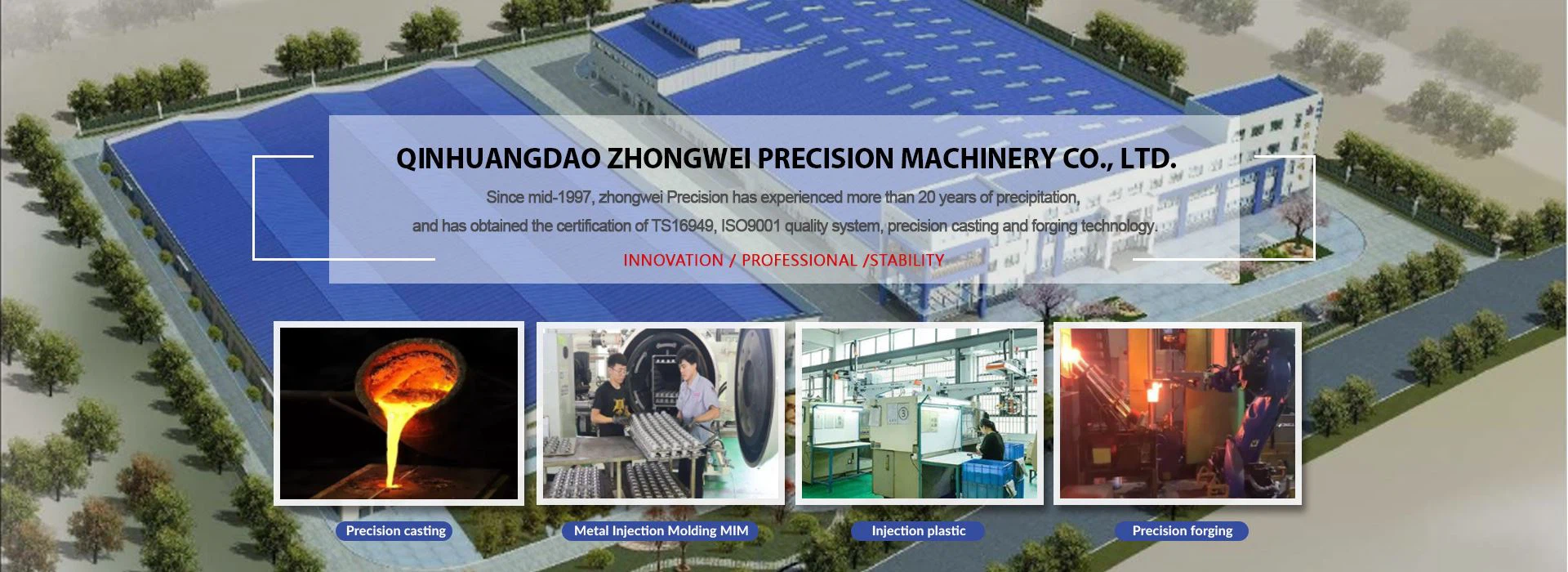
The main products of Zhongwei Precision Machinery Co., Ltd. are nylon products, plastic products, ABS series, rubber products, etc. Types of injection molding materials that can be processed: polyethylene (PE), polypropylene (PP), nylon (PA, PA6, PA66), polyoxymethylene (POM), ABS, polyurethane (TPU), polyphenylene sulfide (PPS), polystyrene Carbonate (PC), Polyetheretherketone (PEEK), etc.
Product Description
1. Implementation standards: the company strictly implements ISO9001, ISO14001, IATF16949, VDA6.3 certification, and products have passed ROHS, FDA EU certification, etc.
2. Product material standards: ISO, GB, ASTM, SAE, EN, DIN, BS, AMS, JIS, ASME, DMS, TOCT, GB
3. Main processes: plastic injection molding, metal insert injection molding, investment casting, die-casting aluminum,
4. Available materials for injection molding:
Processable nylon products, plastic products, ABS series; injection molding material types: polyethylene (PE), polypropylene (PP), nylon (PA, PA6, PA66), polyoxymethylene (POM), ABS, polyurethane (TPU), poly Phenyl sulfide (PPS), polycarbonate (PC), polyether ether ketone (PEEK) and 3D printing can be customized according to customer requirements.
Product structure and classification
• Make up the structure
Polyvinyl chloride is a polymer material that uses one chlorine atom to replace one hydrogen atom in polyethylene, and is an amorphous polymer with a small amount of crystalline structure. The structure of this material is as follows: -(CH2-CHCl)n-. PVC is a linear polymer in which VCM monomers are mostly linked in a head-tail structure. The carbon atoms are arranged in a zigzag pattern, and all atoms are connected by σ bonds. All carbon atoms are sp3 hybridized.

There is a short syndiotactic stereoregular structure on the PVC molecular chain. As the polymerization temperature decreases, the syndiotactic tacticity increases. In the macromolecular structure of PVC, there are unstable structures such as head-to-head structure, branched chain, double bond, allyl chloride, tertiary chlorine, etc., which make thermal deformation and aging resistance poor. After pretending to be cross-linked, such disadvantages can be eliminated.

Tactical structure of PVC
Crosslinking is divided into radiation crosslinking and chemical crosslinking.
1. Radiation crosslinking. High-energy rays are used, generally the rays generated by cobalt 60 radiation sources or the electron rays generated by electron acceleration, and the latter is mainly used. Then add a crosslinking assistant (monomer with two or more carbon-carbon double bond structures) for crosslinking. However, it is difficult to operate and requires high equipment.
2. Chemical cross-linking. Triazole dimercaptoamine salt (FSH) is used for cross-linking. The cross-linking mechanism is that amine and sulfhydryl combine to attack carbon-chlorine polar bonds to carry out substitution reaction. After cross-linking, the UV resistance, solvent resistance, temperature resistance, impact toughening and other properties of the product will be comprehensively improved.
Main Classification
According to the different scope of application, PVC can be divided into: general PVC resin, high degree of polymerization PVC resin, cross-linked PVC resin. General-purpose PVC resin is formed by the polymerization of vinyl chloride monomer under the action of an initiator; high degree of polymerization PVC resin refers to a resin that is polymerized by adding a chain extender to the vinyl chloride monomer polymerization system; cross-linked PVC resin is A resin obtained by adding a crosslinking agent containing diene and polyene to the vinyl chloride monomer polymerization system.
According to the method of obtaining vinyl chloride monomer, it can be divided into calcium carbide method, ethylene method and imported (EDC, VCM) monomer method (the ethylene method and the imported monomer method are commonly referred to as the ethylene method).
According to the polymerization method, PVC can be divided into four categories: suspension method PVC, emulsion method PVC, bulk method PVC, solution method PVC. Suspension-processed polyvinyl chloride is the one with the largest output, accounting for about 80% of the total output of PVC. Suspension PVC is divided into six models according to absolute viscosity: XS-1, XS-2...XS-6; XJ-1, XJ-2..., XJ-6. The meaning of each letter in the model: X-suspension method; S-loose type; J-tight type.
According to the content of plasticizer, PVC plastics are often divided into: non-plasticized PVC, plasticizer content is 0; rigid PVC, plasticizer content is less than 10%; semi-rigid PVC, plasticizer content For soft PVC, the plasticizer content is 30-70%; for PVC paste plastic, the plasticizer content is more than 80%.
Post Injection Molding Process
1. Processing equipment: CNC, WEDM, lathe, milling machine, drilling machine, grinder, etc.;
2. Surface treatment: For some products that require subsequent processing, we can provide surface treatment services to achieve the special purpose of customers. At present, we can provide degreasing, polishing, electroplating (gold, silver, nickel, tin, galvanized, etc.), anodizing, electrophoresis and other surface treatment services for precision parts.

Moulds and Inspection Fixtures
1. Mold service life: usually semi-permanent. (except for lost foam)
2. Mold delivery time: 10-25 days, (according to product structure and product size).
3. Tooling and mold maintenance: Zhongwei is responsible for precision parts.
Quality Control
1. Quality control: the defective rate is less than 0.1%.
2. Samples and trial run will be 100% inspected during production and before shipment, sample inspection for mass production according to ISDO standards or customer requirements
3. Testing equipment: automated visual inspection equipment can carry out 100% inspection of products, spectrum analyzer, golden elephant analyzer, three-coordinate measuring machine, hardness testing equipment, tensile testing machine.


Send Inquiry
