

What are the differences between powder metallurgy and cast iron?
Dec 06, 2022
What are the differences between powder metallurgy and cast iron?
In the past, the application of high-precision spare parts was generally made of cast iron. However, with the continuous development of science and technology, the application of powder metallurgy technology in various fields of modern precision industry has been basically covered, which has great advantages of high precision, high density and multi-faceted processing. However, due to the low strength and poor plasticity of cast iron, the application of powder metallurgy technology in high-precision parts is gradually decreasing. Do you know the difference between powder metallurgy and cast iron? Here is a brief introduction of the Zhongwei Precision Editor:
powder metallurgy
What is powder metallurgy?
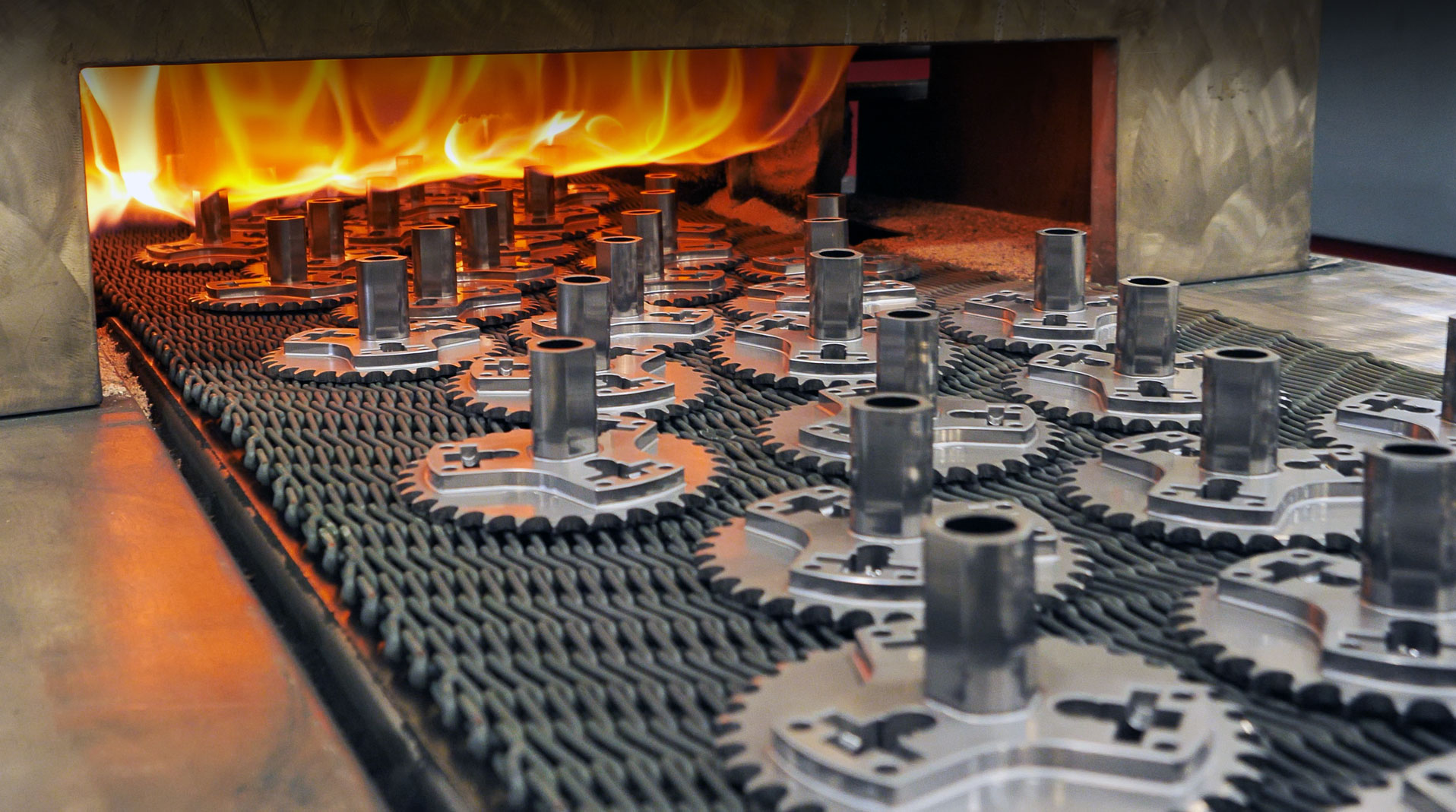
Powder metallurgy is a new processing and molding technology used to refine ultra-high precision, complex and difficult to process cemented carbide. The powder metallurgy process is to add raw metal powder into the molding mold and then sinter it into desired parts and components, which can mass produce high-precision complex parts and components to meet the processing and customization of parts and components in various fields

What is cast iron?
Cast iron is a kind of iron carbon alloy with a carbon content of more than 2.1%. Cast iron technology is a technology that re melts raw materials in a high-temperature furnace, adds some alloys and steel, and then re adjusts the composition in the furnace. Cast iron belongs to secondary processing. Cast iron technology is mostly used for industrial manufacturing and is easy to form.
What is the difference between powder metallurgy and cast iron?
Powder metallurgy technology is used to process precision parts of various instruments, and its hardness and wear resistance are very good, but cast iron is relatively poor in this respect, but the price of powder metallurgy processing technology is higher than that of cast iron, so powder metallurgy technology is basically chosen for parts with high precision requirements. The performance and use environment of the two technologies are very different.
To sum up, we can see that powder metallurgy has long been a common method for processing precision parts of various instruments. Powder metallurgy is a processing technology that can reduce cutting or no cutting. It can effectively reduce the consumption and waste of product materials. With a high utilization rate of materials, it can produce complex and high-precision parts in large quantities. It is a mass processing and molding technology that is currently applied in various fields, such as automobile, home appliances, electronics, communications, and hardware.


