



PFA Injection Molded Parts
PFA plastic is a copolymer of a small amount of perfluoropropyl perfluorovinyl ether and polytetrafluoroethylene. The melt adhesion is enhanced, the melt viscosity is reduced, and the performance is unchanged compared with PTFE.
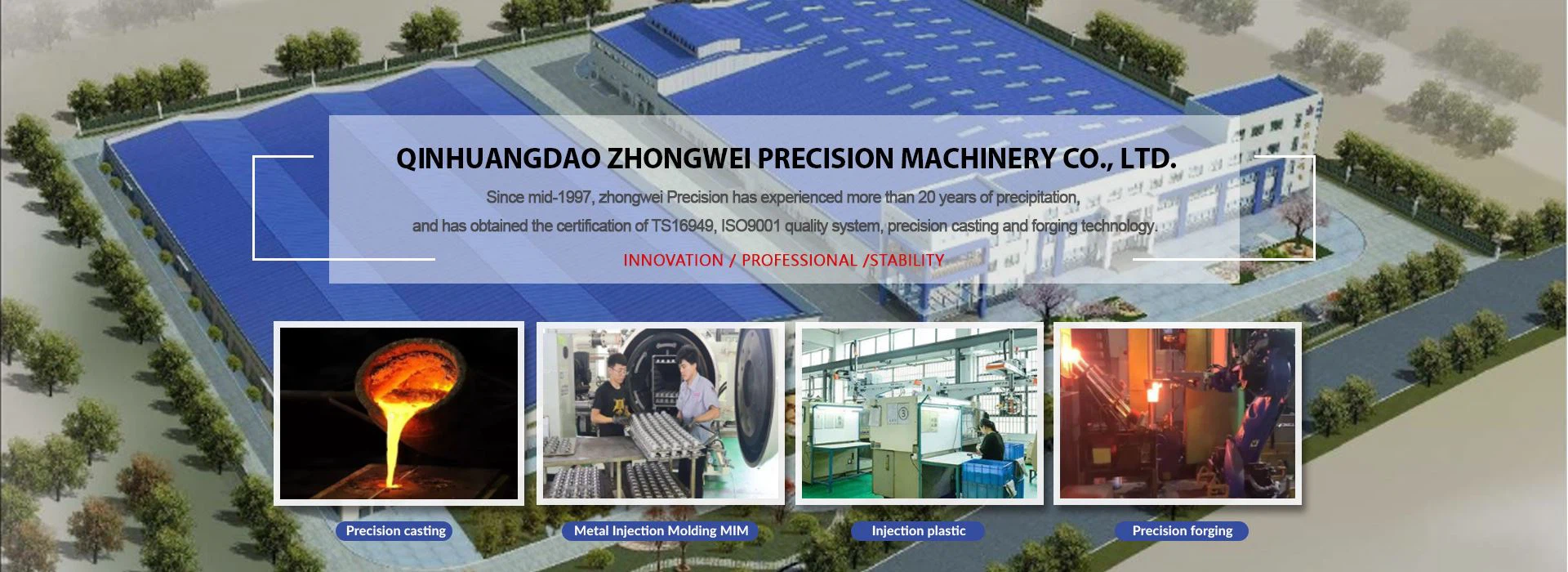
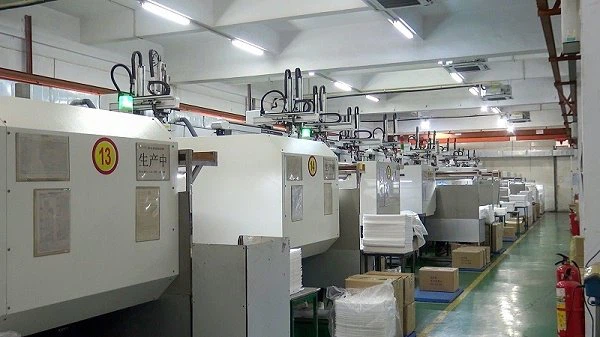
PFA plastic is a copolymer of a small amount of perfluoropropyl perfluorovinyl ether and polytetrafluoroethylene. The melt adhesion is enhanced, the melt viscosity is reduced, and the performance is unchanged compared with PTFE. This resin can be directly processed into PFA injection molded parts by ordinary thermoplastic molding methods. Suitable for making corrosion-resistant parts, anti-wear parts, seals, insulating parts and medical device parts, high-temperature wire and cable insulation, anti-corrosion equipment, sealing materials, pump valve bushings, and chemical containers. The main products of Zhongwei Precision Machinery Co., Ltd. are nylon products, plastic products, ABS series, rubber products, etc. Types of injection molding materials that can be processed: polyethylene (PE), polypropylene (PP), nylon (PA, PA6, PA66), polyoxymethylene (POM), ABS, polyurethane (TPU), polyphenylene sulfide (PPS), polystyrene Carbonate (PC), Polyetheretherketone (PEEK), etc.
Product Description
1. Implementation standards: the company strictly implements ISO9001, ISO14001, IATF16949, VDA6.3 certification, and products have passed ROHS, FDA EU certification, etc.
2. Product material standards: ISO, GB, ASTM, SAE, EN, DIN, BS, AMS, JIS, ASME, DMS, TOCT, GB
3. Main processes: plastic injection molding, metal insert injection molding, investment casting, die-casting aluminum,
4. Available materials for injection molding:
Processable nylon products, plastic products, ABS series; injection molding material types: polyethylene (PE), polypropylene (PP), nylon (PA, PA6, PA66), polyoxymethylene (POM), ABS, polyurethane (TPU), poly Phenyl sulfide (PPS), polycarbonate (PC), polyether ether ketone (PEEK) and 3D printing can be customized according to customer requirements.
Product Performance
1. It is a copolymer of a small amount of perfluoropropyl perfluorovinyl ether and polytetrafluoroethylene. The melt adhesion is enhanced, the melt viscosity is reduced, and the performance is unchanged compared with PTFE. This resin can be directly processed into products by ordinary thermoplastic molding methods.
2. The long-term use temperature is -196--260 degrees Celsius, with excellent chemical corrosion resistance, corrosion resistance to all chemicals, the lowest friction coefficient among plastics, and good electrical properties, and its electrical insulation is not affected by temperature Influence, known as the "Plastic King".
3. The chemical resistance of PFA injection molded parts is similar to that of PTFE and better than that of vinylidene fluoride.
4. Its creep resistance and compressive strength are better than those of PTFE, its tensile strength is high, and its elongation can reach 100-300%. Good dielectric properties and excellent radiation resistance. The flame retardancy reaches V0 level.
5. It is suitable for making corrosion-resistant parts, anti-wear parts, sealing parts, insulating parts and medical equipment parts.
6. High temperature wire and cable insulation, anti-corrosion equipment, sealing materials, pump valve bushings, and chemical containers.
Formability
1. Crystalline material, low moisture absorption. It can be processed into products by the usual processing methods of thermoplastics.
2. Poor fluidity, easy to decompose, and produces corrosive gas during decomposition. The molding temperature should be strictly controlled not to exceed 475 degrees Celsius, the mold should be heated to 150-200 degrees Celsius, and the gating system should have small resistance to material flow.
3. Translucent pellets, injection molding, extrusion molding. The molding temperature is 350-400 degrees Celsius, and it is easy to cause discoloration or bubbles above 475 degrees Celsius. And note that demolding will be more difficult.
4. Because the molten material has a corrosive effect on the metal, the mold needs to be chrome-plated for long-term production.
Perfluoroalkoxy resin:
PFA resins are relatively new melt-processable fluoroplastics.
PFA has a melting point of about 580F and a density of 2.13-2.16 g/cc (grams per cubic centimeter). PFA is similar to PTFE and FEP, but has slightly better mechanical properties than FEP above 302T, can be used at temperatures up to 500F, and has comparable chemical resistance to PTFE. The product forms of PFA are granular products for molding and extrusion, powder products for rotational molding and coatings; its semi-finished products are films, sheets, rods and pipes. The PFA resins distributed in the US market include Teflon brand of DUPOut Company, Neoflon brand of Daikin Company, Hthen brand of Ansimont Company, and Hostafl brand of HOechst Celanese Company. The use of PFA is similar to that of FEP.
Post Injection Molding Process
1. Processing equipment: CNC, WEDM, lathe, milling machine, drilling machine, grinder, etc.;
2. Surface treatment: For some products that require subsequent processing, we can provide surface treatment services to achieve the special purpose of customers. At present, we can provide degreasing, polishing, electroplating (gold, silver, nickel, tin, galvanized, etc.), anodizing, electrophoresis and other surface treatment services for precision parts.

Moulds and Inspection Fixtures
1. Mold service life: usually semi-permanent. (except for lost foam)
2. Mold delivery time: 10-25 days, (according to product structure and product size).
3. Tooling and mold maintenance: Zhongwei is responsible for precision parts.
Quality Control
1. Quality control: the defective rate is less than 0.1%.
2. Samples and trial run will be 100% inspected during production and before shipment, sample inspection for mass production according to ISDO standards or customer requirements
3. Testing equipment: automated visual inspection equipment can carry out 100% inspection of products, spectrum analyzer, golden elephant analyzer, three-coordinate measuring machine, hardness testing equipment, tensile testing machine.
Application
PFA plastic is a copolymer of a small amount of perfluoropropyl perfluorovinyl ether and polytetrafluoroethylene. The melt adhesion is enhanced, the melt viscosity is reduced, and the performance is unchanged compared with PTFE. This resin can be directly processed into products by ordinary thermoplastic molding methods. PFA injection molded parts are suitable for making corrosion-resistant parts, anti-wear parts, seals, insulation and medical device parts, high temperature wire and cable insulation, anti-corrosion equipment, sealing materials, pump valve bushings, and chemical containers.


Send Inquiry
