




Acrylic Injection Molded Parts
The Chinese name of acrylic is transliterated from English Acrylics. A generic term for acrylic and methacrylic chemicals. Acrylic sheet is polymerized from methyl methacrylate monomer (MMA), namely polymethyl methacrylate (PMMA) sheet plexiglass, which is a kind of plexiglass processed by special process.
The Chinese name of acrylic is transliterated from English Acrylics. A generic term for acrylic and methacrylic chemicals. Acrylic sheet is polymerized from methyl methacrylate monomer (MMA), namely polymethyl methacrylate (PMMA) sheet plexiglass, which is a kind of plexiglass processed by special process.
The main products of Zhongwei Precision Machinery Co., Ltd. are nylon products, plastic products, ABS series, rubber products, etc. Types of injection molding materials that can be processed: polyethylene (PE), polypropylene (PP), nylon (PA, PA6, PA66), polyoxymethylene (POM), ABS, polyurethane (TPU), polyphenylene sulfide (PPS), polystyrene Carbonate (PC), Polyetheretherketone (PEEK), etc.
Product Description
1. Acrylic Injection Molded Parts implementation standard: the company strictly implements ISO9001, ISO14001, IATF16949, VDA6.3 certification, and the products have passed ROHS, FDA EU certification, etc.
2. Product material standards: ISO, GB, ASTM, SAE, EN, DIN, BS, AMS, JIS, ASME, DMS, TOCT, GB
3. Main processes: plastic injection molding, metal insert injection molding, investment casting, die-casting aluminum,
4. Available materials for injection molding:
Processable nylon products, plastic products, ABS series; injection molding material types: polyethylene (PE), polypropylene (PP), nylon (PA, PA6, PA66), polyoxymethylene (POM), ABS, polyurethane (TPU), poly Phenyl sulfide (PPS), polycarbonate (PC), polyether ether ketone (PEEK) and 3D printing can be customized according to customer requirements.
Product Feature
Acrylic is our most common name for this material. It is also called plexiglass. The English name is Polymethyl methacrylate. The English translation is called acrylic, and the abbreviation is PMMA. Its full name is polymethyl methacrylate. Acrylic chemicals.
Usually, in addition to using acrylic sheets, we can also hear names such as acrylic cotton, acrylic yarn, acrylic nylon, etc. Acrylic sheets are synthesized from materials such as acrylic particles and resins, while other acrylic textiles are made of acrylic fibers. They are not in the same category.

Many times we feel that acrylic is a new type of material, but in fact it has been invented for more than a hundred years. This chemical polymer was discovered as early as 1872, and it was not synthesized in the laboratory until 1920. The first acrylic sheet was produced. In 1927, the acrylic sheet was finally manufactured in the factory. The acrylic manufactured at the beginning was only used in the aircraft. At the end of the last century, with the improvement and maturity of the production process, Acrylic Injection Molded Parts It is widely used in many industries. Now, acrylic has become an important material in many industries, such as instrumentation parts, car lights, optical lenses, transparent pipes, and handicrafts.
Features of Acrylic
Acrylic has high transparency, clear vision, and can achieve a light transmittance of more than 92%. The light transmittance of ordinary glass is only about 85%, which can achieve the transparency of optical glass, even after dyeing. It also has good transparency. , which increases the display and aesthetics of the acrylic.

Thanks to the special material properties, the strength of acrylic is more than ten times that of ordinary glass. Compared with glass, it can be described as sturdy. Products made of acrylic will be very durable. Transparent products are most afraid of being scratched. It is also one of the most wear-resistant transparent materials due to its high strength.
Acrylic begins to soften at 113°C and has a melting point of 160°C. This temperature makes it highly plastic, making it easy to make any shape.
Acrylic is highly resistant to changes in temperature and humidity, as well as acidic and alkaline substances, making it ideal for outdoor applications.

Although acrylic has many advantages, it also has some disadvantages. First of all, its price is more expensive than glass, and it is difficult to completely replace glass; secondly, due to its low ignition point, it will melt and eventually burn when directly exposed to flame. It will release toxic fumes, so it will be easily deformed and bent due to the high temperature generated when cutting with power tools.
What you think of as glass is plastic
Acrylic belongs to a polymerized polymer material, that is, a thermoplastic. Yes, you read that right, it is a plastic.
Acrylic is polymerized by the monomer methyl methacrylate, so what is the difference between acrylic and other plastics? Why do you call it "glass" even though it is plastic?
This is also due to the many similar characteristics of acrylic with glass, some advantages exceed glass, and some advantages can perfectly make up for the shortcomings of glass.

Transparent materials are among the most commonly used materials in many industries, and designers and manufacturers often choose these transparent polymers as an alternative when traditional glass is too heavy or too prone to breakage.
Acrylic has these characteristics of glass or transparent materials, but it is not glass, so it is called plexiglass.
Acrylic Production Process
The production process of acrylic is similar to other plastics, but the specific temperature and the catalyst added will be different. There are three main molding methods, casting, injection molding and extrusion.
●Cast molding
Cast molding requires a mold into which molten acrylic is poured and left to sit for a few hours until it becomes semi-solid and can be removed from the mold.

After the sheet leaves the mold, it is transferred to an autoclave, a special piece of machinery that functions like a pressure cooker and oven. The autoclave uses heat and pressure to squeeze air bubbles out of the plastic, giving it a high Transparency and more robustness, acrylic usually takes several hours in an autoclave.
After removing the formed acrylic from the autoclave, the surface and edges need to be sanded several times, first with small-grain sandpaper and then with a soft cloth wheel to ensure a smooth and transparent acrylic surface.
●Extrusion
The raw acrylic granules are fed into an extruder, which heats the raw material up to about 150°C, making it viscous.
It is then fed between two roller presses, where the molten plastic is flattened by pressure into a uniform sheet, and the sheet is cooled to solidify the acrylic sheet.


The sheet is cut to the required size, and it is ready to use after grinding and polishing. Extrusion can only extrude thinner sheets, and cannot produce other shapes and thicker plates.
●Injection molding
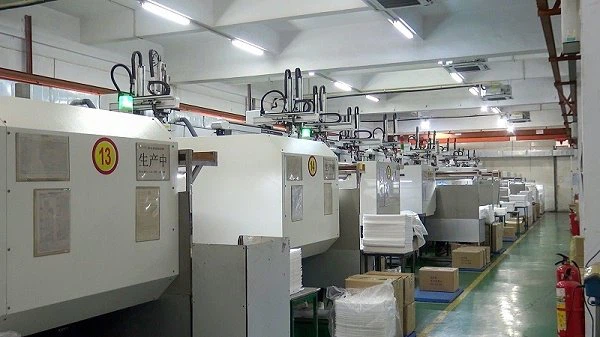
Like the injection molding of other plastic products, acrylic granules are put into a plunger or screw injection molding machine, and the raw materials are melted into a paste by high temperature.
It is then injected into the abrasive cavity to form, and after being dried by hot air circulation, it becomes a fixed shape, and it can be used after grinding and polishing.
Today, the use of Acrylic Injection Molded Parts is increasing, increasing every year; although acrylic is one of the oldest plastics in use today, its optical clarity and resistance to outdoor environments allow it to remain Become the material of choice for many industrial applications.
Post Injection Molding Process
1. Processing equipment: CNC, WEDM, lathe, milling machine, drilling machine, grinder, etc.;
2. Surface treatment: For some products that require subsequent processing, we can provide surface treatment services to achieve the special purpose of customers. At present, we can provide degreasing, polishing, electroplating (gold, silver, nickel, tin, galvanized, etc.), anodizing, electrophoresis and other surface treatment services for precision parts.

Moulds and Inspection Fixtures
1. Mold service life: usually semi-permanent. (except for lost foam)
2. Mold delivery time: 10-25 days, (according to product structure and product size).
3. Tooling and mold maintenance: Zhongwei is responsible for precision parts.
Quality Control
1. Quality control: the defective rate is less than 0.1%.
2. Samples and trial run will be 100% inspected during production and before shipment, sample inspection for mass production according to ISDO standards or customer requirements
3. Testing equipment: automated visual inspection equipment can carry out 100% inspection of products, spectrum analyzer, golden elephant analyzer, three-coordinate measuring machine, hardness testing equipment, tensile testing machine.
Application
Plexiglass is widely used, not only in commerce, light industry, construction, chemical industry and so on. Moreover, plexiglass production is widely used in advertising decoration and sand table models, such as: signs, billboards, light box panels and Chinese and English alphabet panels.
The material selection of Acrylic Injection Molded Parts depends on the shape design, what kind of shape, what kind of plexiglass, color and variety should be tested repeatedly to achieve the best effect. With a good shape design, it is necessary to rely on careful processing to become a beautiful handicraft.
1. Architectural applications: shop windows, soundproof doors and windows, lighting covers, telephone booths, etc.
2. Advertising applications: light boxes, signs, signs, display stands, etc.
3. Transportation applications: doors and windows of trains, cars and other vehicles, etc.
4. Medical applications: baby incubators, various surgical medical instruments, civilian products: sanitary facilities, handicrafts, cosmetics, brackets, aquariums, etc.
5. Industrial application: instrument panel and cover, etc.


Send Inquiry
