




Fallopian Tube Clamp MIM Parts
Tubal ligation connects the inside of the fallopian tubes to the uterus and frees the outer ends, similar to the ovaries. The egg moves from the fallopian tubes to the uterine cavity. the Tubal ligation is a procedure in which the fallopian tubes are ligated to prevent the passage of eggs into the uterus
Product Introduction
Fallopian tube clamp MIM Parts | |||||||||
Item | Material | Production Process | Sintering Temperature | Mold | Custom | ||||
Fallopian tube clamp | 17-4 | Metal Injection Molding | 1550℃ | To be customized | Yes | ||||
Chemical Composition | C:≤0.07 | ||||||||
Available Materials | Low carbon stainless steel, titanium alloy (Ti, TC4), copper alloy, tungsten alloy, hard alloy, high temperature alloy (718, 713) | ||||||||
Finish | Dimensional Accuracy | Product Density | Appearance Treatment | Appropriate Weight | |||||
Roughness 1~5μm | (±0.1%~±0.5%) | 92~95% | Mirror Reflection | 0.03g~400g) | |||||
Mechanical properties | Tensile strength σb (MPa): aged at 480°C, ≥1310; aged at 550°C, ≥1060; aged at 580°C, ≥1000; aged at 620°C, ≥930 | ||||||||
Hydrosalpinx clamp surgery - experience sharing
Tubal ligation connects the inside of the fallopian tubes to the uterus and frees the outer ends, similar to the ovaries. The egg moves from the fallopian tubes to the uterine cavity. the Tubal ligation is a procedure in which the fallopian tubes are ligated to prevent the passage of eggs into the uterus, thereby permanently sterilizing women. The procedure is for adult women who wish to be permanently sterilized and have no contraindications. Women who only want temporary or reversible sex are not eligible for this procedure. the In recent years, minimally invasive techniques have begun to be widely used, and laparoscopic tubal ligation is becoming more and more popular, because compared with traditional surgery, it has less damage, safety, and faster recovery. The difference between the two lies in:
1. Laparoscopic poking is expanding the abdominal cavity with equipment, and the integrity of the abdominal wall is basically maintained. However, the incisions are made in the form of incisions. There is abdominal muscle and corresponding vascular nerve injury. The skin around the incision was numb after the operation, and the abdominal muscles were scarred and weak. An incisional hernia of the abdominal wall may occur.
2. The laparoscopic abdominal wall is punctured by small holes (3-10 mm), which are scattered and hidden, and do not affect the appearance after healing. We often see centipede hypertrophic scars from surgical incisions. Traditional incision infection or fat liquefaction and incision dehiscence are inevitable problems. Laparoscopic surgery is the best solution to this problem
What is an IUD? IUDs are usually made of antiseptic plastic or metal and have some medication added (such as a Corvette or indomethacin). Uterine rings come in various shapes such as round, concave, and T-shaped. Doctors can choose the appropriate uterine ring according to the situation of each uterus.
3. Why?
After putting the uterine ring in the IUD uterine ring, it can be put into the uterine cavity, changing the environment of the uterine cavity, causing uterine inflammation, which is not conducive to embryo implantation, thereby causing early abortion, so as to achieve the goal. The IUD is about 94-99% effective, second only to oral pills, sterilization, implants, condoms, and needles. the
4. What are the benefits of using the intrauterine device as an unconventional device? The intrauterine device, or IUD for short, dates back to ancient times, but only in this century did it develop into an effective tool that is widely used around the world. In the past decade, since Scott reported significant morbidity and death associated with IUDs in 1968, numerous studies have reported the risks of this method to users. Among them, pelvic inflammatory disease (referred to as PID), uterine perforation, ectopic pregnancy (commonly known as ectopic pregnancy), spontaneous abortion or infectious abortion are particularly important complications. The IUD is a long-term solution, valid for one to several years. The pessary will be taken by the doctor before pregnancy. After wearing the ring, you don't have to prepare for sex. Women who wear an IUD do not feel the IUD, so it is suitable for women who need an IUD on a regular basis. the
5. In women with intrauterine devices, pelvic inflammatory disease, genital deformities or tumors, dysmenorrhea or menorrhagia, gonorrhea, and multiple sexual partners, as well as women with a history of severe anemia, heart disease, and ectopic pregnancy, anyone is not suitable for intrauterine wear IUD clothing. It is generally up to your doctor to decide if it is appropriate. the
6. When can I wear the IUD from?
Basically, a doctor can place an IUD as long as the possibility of non-pregnancy is determined. It is usually best to wear the ring within two or three days of your period. After the 6-8 week postpartum examination, the ring can be worn if the doctor thinks it is appropriate. the
7. Removing an IUD is very complicated. Inserting and removing the IUD is very simple in pain. First, the doctor sterilizes the uterus, then sends the uterine ring into the uterus with a ring feeder, withdraws the ring feeder, and cuts the nylon thread that binds the uterine ring. To put on the ring, just gently pull the nylon thread at the end of the ring, or use a "ring remover" to pull the ring out of the uterus. There is usually only mild pain in the lower abdomen when the IUD is placed and removed. the
8. Some women can easily get pregnant with an IUD if it can be put on immediately after wearing it. Therefore, the doctor will guide the method of increasing external use 1 to 2 months after wearing the ring to ensure safety. exist
9. Is it necessary to check regularly after dressing with IUD? Do you need regular checkups after your first period. Then, if there are no special problems, it should be checked once a year. the
10. It should be noted that the menstrual cycle of women with IUDs can be extended by two to three days after wearing the ring, and the menstrual flow may be a little more. Some women experience abdominal discomfort or period pain. This is an early, maladaptive reaction. However, some women will have a significant increase in menstrual flow, a small amount of extramenstrual bleeding, and obvious abdominal pain. If these conditions continue to occur, they should return to the hospital for examination.
11. What should I do if I get pregnant unexpectedly while wearing A? There is still a 3% chance of unintended pregnancy with an IUD. Therefore, ask your doctor if your period is delayed or if you suspect pregnancy. the
12. When the uterus is taken out and the uterine ring is different, the time limit is different, ranging from 3 to 8 years. Generally about five years. Sheung Wan medical records should be kept properly. Remove or replace rings as directed by your doctor. It is easy to get pregnant while taking and changing rings. Other methods should be used concurrently.
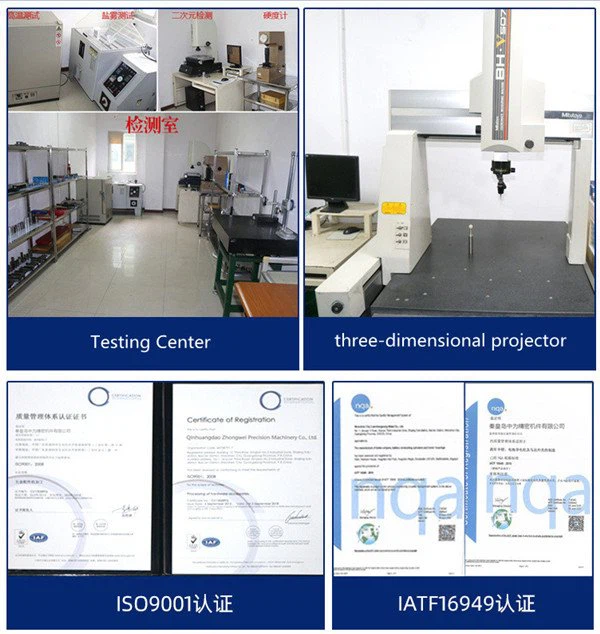
Detection Systems
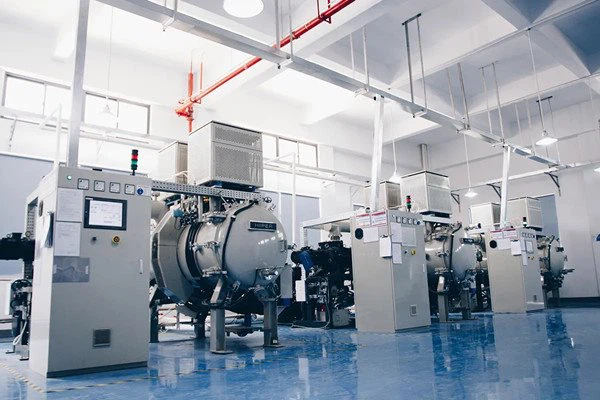
Metal Injection Molding Process




Send Inquiry
