



PEEK Injection Molded Parts
PEEK injection molded parts is a special engineering plastic with excellent properties such as high temperature resistance, self-lubrication, easy processing and high mechanical strength, which can be manufactured and processed into various mechanical parts, such as automobile gears, oil screens, shift start disks.
PEEK injection molded parts is a special engineering plastic with excellent properties such as high temperature resistance, self-lubrication, easy processing and high mechanical strength, which can be manufactured and processed into various mechanical parts, such as automobile gears, oil screens, shift start disks; Aircraft engine parts, automatic washing machine runners, medical equipment parts, etc. The main products of Zhongwei Precision Machinery Co., Ltd. are nylon products, plastic products, ABS series, rubber products, etc. Types of injection molding materials that can be processed: polyethylene (PE), polypropylene (PP), nylon (PA, PA6, PA66), polyoxymethylene (POM), ABS, polyurethane (TPU), polyphenylene sulfide (PPS), polystyrene Carbonate (PC), Polyetheretherketone (PEEK), etc.
Product Description
1. Implementation standards: the company strictly implements ISO9001, ISO14001, IATF16949, VDA6.3 certification, and products have passed ROHS, FDA EU certification, etc.
2. Product material standards: ISO, GB, ASTM, SAE, EN, DIN, BS, AMS, JIS, ASME, DMS, TOCT, GB
3. Main processes: plastic injection molding, metal insert injection molding, investment casting, die-casting aluminum
4. Available materials for injection molding:
Processable nylon products, plastic products, ABS series; injection molding material types: polyethylene (PE), polypropylene (PP), nylon (PA, PA6, PA66), polyoxymethylene (POM), ABS, polyurethane (TPU), poly Phenyl sulfide (PPS), polycarbonate (PC), polyether ether ketone (PEEK) and 3D printing can be customized according to customer requirements.
Physical Properties | Rated value | Unit system | Testing method |
Proportion | |||
-- | 1.28 to 1.38 | g/cm³ | ASTM D792 |
23°C | 1.26 to 1.38 | g/cm³ | ISO 1183 |
Melt flow rate (400°C/2.16 kg) | 2.0 to 36 | g/10 min | ASTM D1238 |
Melted Volume Flow Rate (MVR) (380°C/10.0 kg) | 14.1 to 23.8 | cm³/10min | ISO 1133 |
Shrinkage | |||
Flow: 23°C | 1.2 to 1.5 | % | ASTM D955 |
Lateral flow: 23°C | 1.4 to 1.9 | % | ASTM D955 |
Physical Properties | Rated value | Unit system | Testing method |
Density | 1.29 | g/cm³ | ISO 1183 |
Shrinkage - Flow | 1.2 | % | ISO 294-4 |
Qater Absorption | ISO 62 | ||
Saturation, 23°C | 0.50 | % | |
Equilibrium, 23°C, 50% RH | 0.20 | % |
Mechanical Behavior | Rated value | Unit system | Testing method |
Tensile Modulus (23°C) | 3600 | MPa | ISO 527-2 |
Tensile Stress | ISO 527-2 | ||
Yield, 23°C | 95.0 | MPa |
Physical Properties | Rated value | Unit system | Testing method |
Proportion | |||
-- | 1.28 to 1.38 | g/cm³ | ASTM D792 |
23°C | 1.26 to 1.38 | g/cm³ | ISO 1183 |
Melt flow rate (400°C/2.16 kg) | 2.0 to 36 | g/10 min | ASTM D1238 |
Melted Volume Flow Rate (MVR) (380°C/10.0 kg) | 14.1 to 23.8 | cm³/10min | ISO 1133 |
Shrinkage | |||
Flow: 23°C | 1.2 to 1.5 | % | ASTM D955 |
Lateral flow: 23°C | 1.4 to 1.9 | % | ASTM D |
Product Features and Applications
PEEK injection molded parts Feature:
1. Corrosion and aging resistance
2. Solubility resistance
3. High temperature, high frequency and high voltage electrical performance conditions
4. Both toughness and rigidity
5 Dimensions require precise conditions
6. Radiation resistance, wear resistance and corrosion resistance conditions
7. Hydrolysis resistance, excellent properties can still be maintained under high temperature and high pressure
8. Lightweight replacement of metal as optical fiber components
9. Good abrasion resistance, anti-static and electrical insulation properties
10. Parts with high mechanical strength requirements
11. Low smoke and gas emissions.
PEEK injection molded parts Applications:
In the fields, the transportation industry such as automobiles (including aviation) accounts for about 50% of the consumption of PEEK resin, semiconductor manufacturing equipment accounts for 20%, general mechanical parts such as compressor valves account for 20%, medical equipment and analytical instruments and other products 10% of the market.
1. Transportation machinery such as automobiles
The growth of PEEK resin in the European market is especially rapid in the auto parts market. In particular, the parts around the engine, transmission parts, steering parts, etc. have chosen PEEK plastics instead of some traditional high-priced metals as manufacturing materials. Demand for PEEK resins will continue to grow as the automotive industry adapts to miniaturization, lightweighting and cost reduction. A European model has 44 parts that use PEEK plastic instead of traditional metal products.
2. The field of IT manufacturing
Semiconductor manufacturing and the electrical and electronic industry are expected to be another growth point for PEEK resin applications. In the semiconductor industry, in order to achieve high functionality and low cost, the size of the silicon wafer is required to be larger and the manufacturing technology is more advanced. special requirements, this will be where PEEK resins come into play.
3. The field of office machinery parts
For the separation claws, special heat-resistant bearings, chains, gears, etc. of copiers, when PEEK resin is used instead of metal as their material, the parts can be lightweight, fatigue-resistant, and can be lubricated without oil.
4. The field of wire coating
PEEK coating has good flame retardancy, and its flame retardant level can reach UL94 V-0 level without any flame retardant. PEEK resin also has the advantages of peel resistance and radiation resistance (109 rad), so it is used in special wires in military and nuclear energy and other related fields.
5. Plates, bars and other fields
In the application process of PEEK in some special fields, the phenomenon of small quantity and large variety is often encountered. At this time, it is very advantageous to use rods, plates and other profiles for machining and manufacturing.
6. Fiber field
PEEK fiber (including monofilament) industrial filter cloth, industrial brushes and other products. In the field of composite materials, the appeal of PEEK fiber lies in its thermoplasticity and high temperature resistance. In addition to heat resistance in industrial filter cloths and industrial brushes, its appeal lies in its chemical resistance and abrasion resistance.
7. The field of medical analysis equipment
Because PEEK can withstand repeated autoclaving, it can be used in medical equipment to manufacture endoscope parts, dental descaling devices, etc. In addition, due to the high strength and low dissolution of PEEK, it has been used in liquid chromatography columns, tubes, accessories, etc. for instrumental analysis. Moreover, because PEEK has good compatibility with the human body, it has successfully replaced the traditional titanium metal as an artificial bone material.The main application areas of PEEK.
PEEK Processing
PEEK material can be processed by injection molding and bar machine form or ideal products. It is not economical for designers to use injection molding when designing PEEK product patterns or small batch PEEK parts. It is usually produced by machining. PEEK material can be processed and finished deburring with the same equipment technology as other engineering plastics. Because PEEK material has good wear resistance and good physical properties, it is generally recommended to use cemented carbide, diamond turning tools and drill bits to operate.
When processing PEEK medical injection parts, it is generally necessary to pre-toughen the peek rod or peek plate, which can remove the stress and residual stress in the parts. Localized temperature increases during machining lead to the production of more stress in the material so that the product can be subjected to a secondary stress relief toughening treatment.
Post Injection Molding Process
1. Processing equipment: CNC, WEDM, lathe, milling machine, drilling machine, grinder, etc.;
2. Surface treatment: For some products that require subsequent processing, we can provide surface treatment services to achieve the special purpose of customers. At present, we can provide degreasing, polishing, electroplating (gold, silver, nickel, tin, galvanized, etc.), anodizing, electrophoresis and other surface treatment services for precision parts.

Moulds and Inspection Fixtures
1. Mold service life: usually semi-permanent. (except for lost foam)
2. Mold delivery time: 10-25 days, (according to product structure and product size).
3. Tooling and mold maintenance: Zhongwei is responsible for precision parts.
Quality Control
1. Quality control: the defective rate is less than 0.1%.
2. Samples and trial run will be 100% inspected during production and before shipment, sample inspection for mass production according to ISDO standards or customer requirements
3. Testing equipment: automated visual inspection equipment can carry out 100% inspection of products, spectrum analyzer, golden elephant analyzer, three-coordinate measuring machine, hardness testing equipment, tensile testing machine.
Application
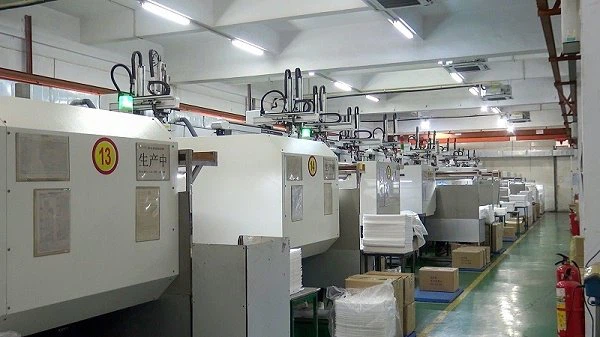
Peek is widely used in aerospace, automobile manufacturing, electrical and electronic, medical and food processing and other fields.




Send Inquiry
