

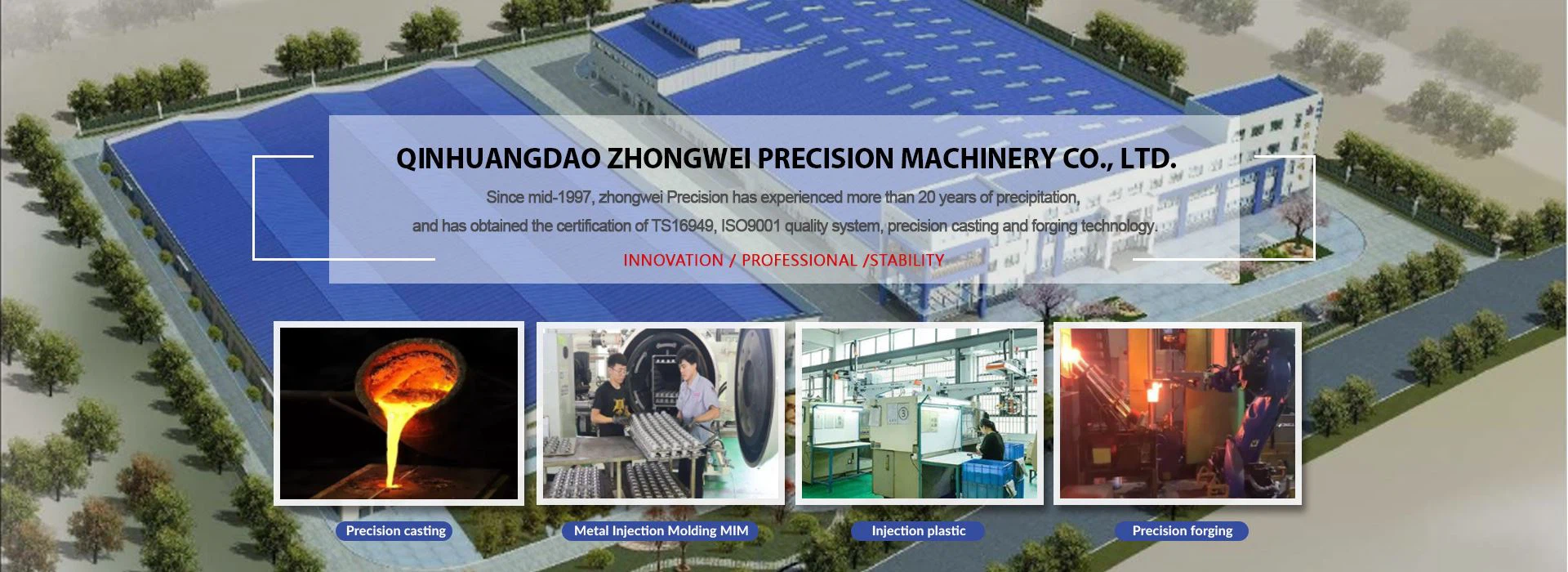


Pistol Shaft MIM Parts
Metal Injection Molding (Metal Injection Molding) is a component that introduces modern plastic injection molding technology into the field of powder metallurgy and integrates plastic forming technology, polymer chemistry, powder metallurgy technology and metal materials.
Product Introduction
Pistol Shaft MIM Parts | |||||||||
Item | Material | Production Process | Sintering Temperature | Mold | Custom | ||||
Pistol Shaft | 17-4 | Metal Injection Molding | 1550℃ | To be customized | Yes | ||||
Chemical Composition | C:≤0.07 | ||||||||
Available Materials | Low carbon stainless steel, titanium alloy (Ti, TC4), copper alloy, tungsten alloy, hard alloy, high temperature alloy (718, 713) | ||||||||
Finish | Dimensional Accuracy | Product Density | Appearance Treatment | Appropriate Weight | |||||
Roughness 1~5μm | (±0.1%~±0.5%) | 92~95% | Mirror Reflection | 0.03g~400g) | |||||
Mechanical properties | Tensile strength σb (MPa): aged at 480°C, ≥1310; aged at 550°C, ≥1060; aged at 580°C, ≥1000; aged at 620°C, ≥930 | ||||||||
Introduction to MIM
Metal Injection Molding (Metal Injection Molding) is a component that introduces modern plastic injection molding technology into the field of powder metallurgy and integrates plastic forming technology, polymer chemistry, powder metallurgy technology and metal materials. New "near net shape" technology. Pistol Shaft MIM Parts can use mold injection molding blanks, and quickly manufacture high-precision, high-density, three-dimensional complex structural parts through sintering, and can quickly and accurately materialize design ideas into products with certain structural and functional characteristics, and It can be directly mass-produced. MIM technology combines the technical advantages of plastic injection molding and powder metallurgy. It not only has the advantages of less conventional powder metallurgy process steps, no cutting or less cutting, and high economic benefits. At the same time, it overcomes the traditional powder metallurgy process. The main disadvantages of low performance, thin wall, difficult to form and complex structure are suitable for mass production of small, precise, complex three-dimensional shapes and the manufacture of metal parts with special requirements.
The MIM process has become a rapidly developing and promising new "near-net shape" technology in the field of international powder metallurgy, and is praised by the industry as "the most popular component forming technology" today.
The relationship between MIM and PM, PIM
Powder metallurgy (PowderMetallurgy, referred to as PM) is the production of metal powder or metal powder (or a mixture of metal powder and non-metallic powder) as raw materials, after forming and sintering, the production of metal materials, composite materials and various types of industrial products technology. Powder metallurgy has unique chemical composition and mechanical and physical properties. Using powder metallurgy technology, it can be directly made into porous, semi-dense or fully dense materials and products, such as oil bearings, gears, cams, guide rods, knives, etc. It is a rare No cutting process. Powder metallurgy mainly includes four major processes: traditional method, metal powder injection molding (MIM), metal additive manufacturing (MAM), and isostatic pressing (IP).
Powder injection molding (PowderInjection Molding, referred to as PIM) is a new technology for the preparation of metal and ceramic parts. It is a new component processing technology generated by introducing polymer injection molding technology into the field of powder material forming. This technology applies the principle of injection molding in the plastics industry, mixes metal, ceramic powder and polymer binder into a uniform viscoplastic fluid, injects it into a mold through an injection machine, removes the binder, and sinters to achieve full densification. And made various parts. According to the different raw material powders in the powder injection molding process, it can be divided into two categories, one is ceramic powder injection molding technology (Ceramic Injection Molding, referred to as CIM), and the other is metal powder injection molding technology (abbreviated as MIM).
It can be seen that metal powder injection molding (MIM) belongs to a process type of powder metallurgy (PM) and a classification of powder injection molding (PIM).
Technical advantages of MIM
Traditional metal processing technologies such as cold heading, forging, and stamping are suitable for processing two-dimensional products with simple part structures, but it is difficult to process three-dimensional and complex-shaped products. CNC technology does not require mold design and production, and has a high degree of freedom and processing accuracy, but the waste of materials is serious, and it takes a long time, low output, and high cost to process ultra-small parts and parts with complex three-dimensional shapes.
In contrast, Pistol Shaft MIM Parts technology has near net shape and almost no waste. It can be used in mass production of metal products with three-dimensional shapes, complex structures, and precise dimensions. It has a high degree of design freedom. comparative advantage.
For complex parts, traditional metal forming is usually disassembled and made into individual parts and then assembled. The MIM process is more economical through overall processing and simplified processing procedures. Moreover, the cost of traditional metal forming rises with the complexity of the parts. The MIM process keeps the cost constant by increasing the complexity of the mold. The more complex the product, the more economical the MIM process is, and the cost advantage is more obvious.
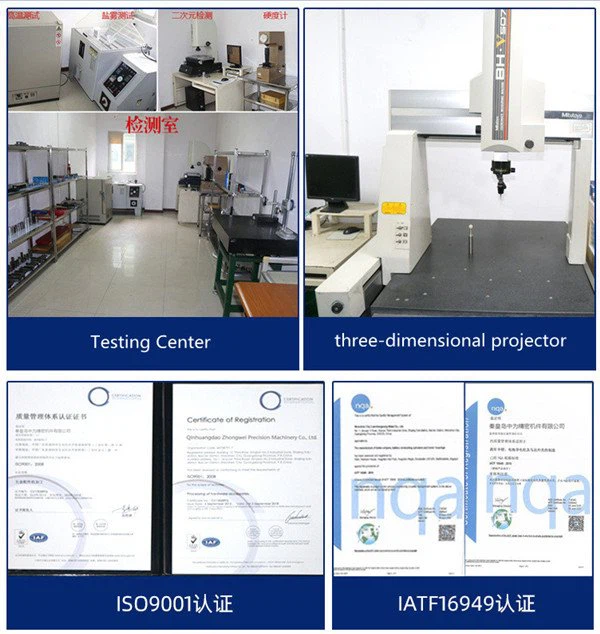
Detection Systems
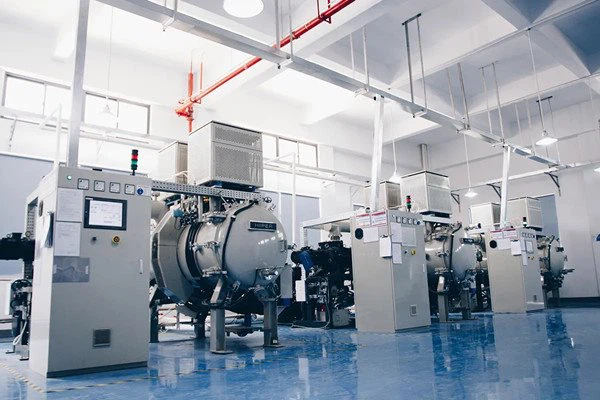
Metal Injection Molding Process




Send Inquiry
