




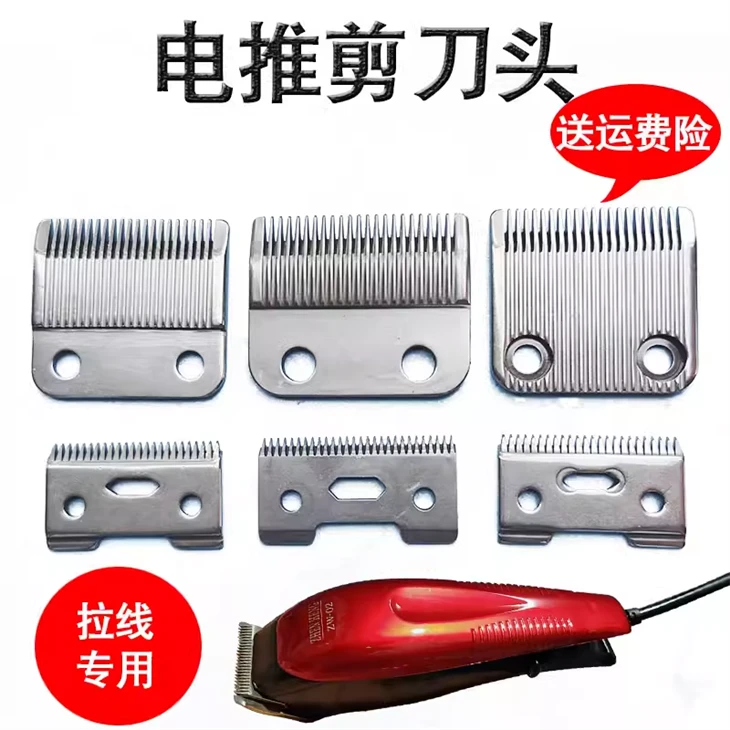

Lost-wax Casting Of Titanium Alloy For Razors
Titanium alloys are characterized by low density, high strength, and corrosion resistance. For razors, low density means a lighter overall weight, reducing hand fatigue during prolonged use and allowing for more flexible shaving techniques. High strength ensures the razor is not easily deformed during use, maintaining its sharpness and shape even under significant external forces, such as when trimming coarse hair, ensuring consistent shaving results.
Material Selection – Titanium Alloy
● Advantages and Characteristics: Titanium alloys are characterized by low density, high strength, and corrosion resistance. For razors, low density means a lighter overall weight, reducing hand fatigue during prolonged use and allowing for more flexible shaving techniques. High strength ensures the razor is not easily deformed during use, maintaining its sharpness and shape even under significant external forces, such as when trimming coarse hair, ensuring consistent shaving results. Corrosion resistance prevents the razor from being corroded by water, shampoo, hair dye, and other chemicals during daily use and cleaning, extending its lifespan.
● Material Cost and Market Positioning: The relatively high manufacturing cost of titanium alloys means that razors made from them are typically positioned as mid-to-high-end products in the market. These razors are suitable for professional hairdressers who demand high quality and performance, or consumers seeking high-quality personal care. For barbershops, using titanium alloy razors can enhance the quality and prestige of their services, attracting more high-end customers. For individual consumers, although the initial purchase cost is higher, the durability and high-quality user experience offer excellent value for money in the long run.
Manufacturing Process – Lost-Waist Casting
● Process Principle: Lost-wax casting is a precision casting process. The basic principle is to first create a wax model with the same shape as the razor to be cast. Then, multiple layers of refractory material are coated onto the surface of the wax model to form an outer shell. Next, this outer shell containing the wax model is heated, causing the wax to melt and flow out, thus forming a cavity within the shell that matches the shape of the razor. Finally, molten titanium alloy is poured into this cavity. After the titanium alloy cools and solidifies, the outer shell is removed, yielding the desired razor blank.
● Process Advantages: Lost-wax casting can produce parts with complex shapes and high precision. For razors, the blade portion typically has a special shape and angle design to achieve different shaving functions, such as sharp cutting or fine trimming. Lost-wax casting can precisely replicate these complex shapes and dimensions, ensuring that the performance of the tools meets design requirements. Furthermore, this process produces tools with superior surface quality, reducing subsequent machining workload and improving production efficiency. Moreover, lost-wax casting enables mass production, ensuring product consistency and stability, and meeting the large market demand for shavers.
● Process Challenges: Lost-wax casting requires precise control of multiple parameters, such as the accuracy of the wax model, the thickness and quality of the refractory coating, and the rates of heating and cooling. Problems in any of these stages can lead to defects in the casting, such as porosity, cracks, and dimensional deviations. Therefore, it demands a high level of operator skill and precision from the production equipment. Simultaneously, titanium alloys have a high melting point, requiring specialized equipment and processes during melting and pouring to ensure their quality, further increasing production difficulty and cost.
Overall Benefits
● Improved Product Performance: Applying titanium alloys to the manufacture of shavers through lost-wax casting fully leverages the material advantages of titanium alloys and the technological advantages of lost-wax casting, producing shavers with superior performance. The sharpness, durability, and precision of the razors have been significantly improved, providing users with a superior shaving experience.
● Enhanced Market Competitiveness: In the highly competitive razor market, razors manufactured using titanium alloy lost-wax casting technology, with their high quality and unique performance, have secured a place in the mid-to-high-end market. Compared to razors made with traditional materials and processes, they possess a clear differentiation advantage, attracting more consumer attention and purchases. Simultaneously, this technology also provides razor manufacturers with opportunities to enhance their brand image and market share, promoting technological progress and product upgrades throughout the razor industry.


Send Inquiry
